
Emergency Restoration Services for Insurance Claims in Canada
Posted May 21, 2026
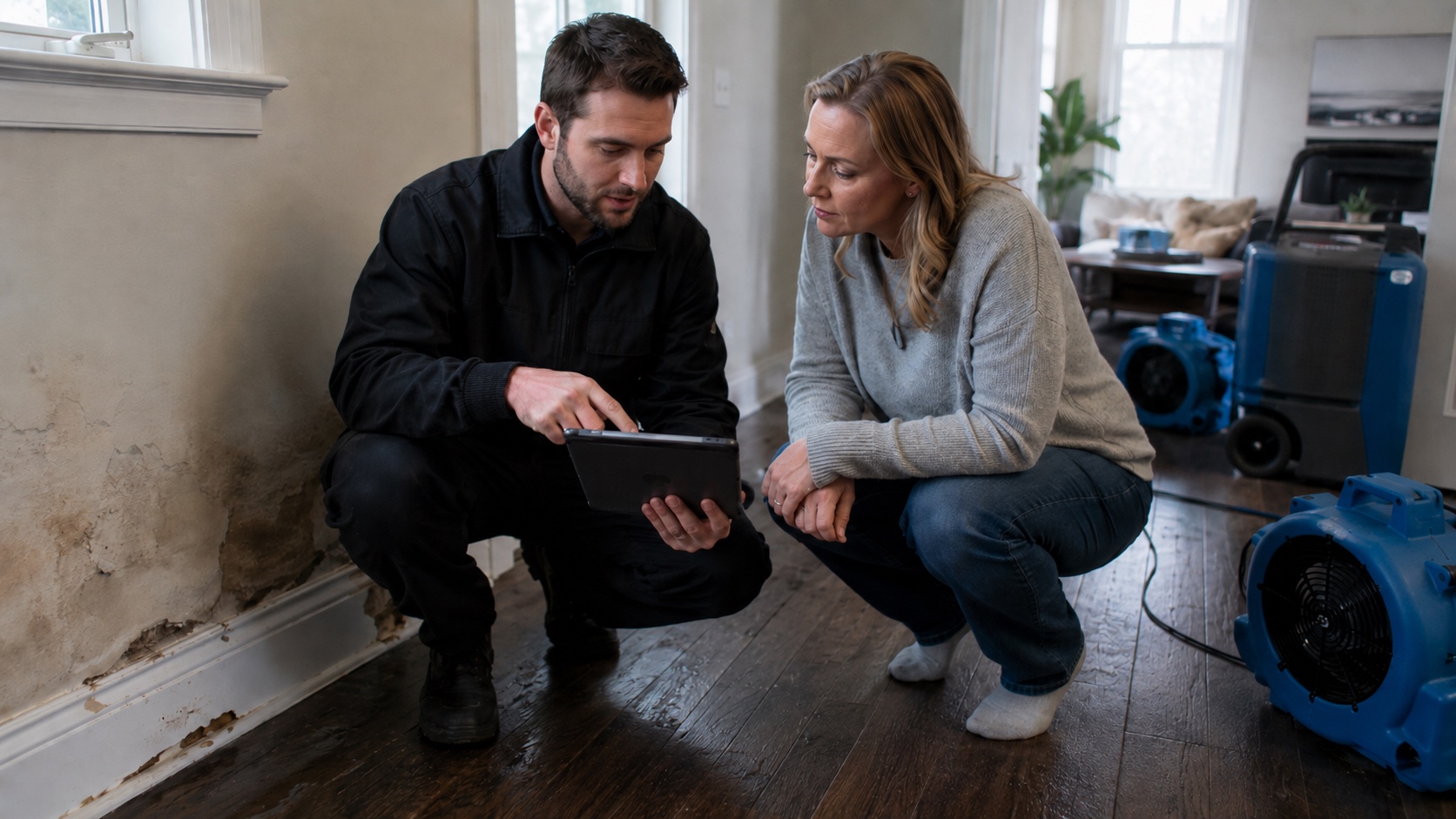
Property damage can leave homeowners dealing with two urgent problems at the same time: the damage itself and the insurance claim that may follow.
A burst pipe, sewer backup, fire, storm leak, or flooded basement can quickly turn into a stressful situation. There may be standing water to remove, smoke residue to assess, belongings to protect, and safety concerns to manage. At the same time, the homeowner may be trying to contact their insurance company, understand coverage, take photos, and figure out who is allowed to start the cleanup.
That is where emergency restoration services for insurance claims become important.
Emergency restoration is not only about cleaning up visible damage. It is about stabilizing the property, reducing further loss, documenting the damage, and helping the homeowner move from the emergency stage into the insurance claim and repair process.
For homeowners across Canada, EMRG helps make that first step easier by connecting them with vetted local restoration contractors who understand emergency response, property damage, and insurance-related restoration work.
If you need help now, EMRG members are available 24/7. Call 1-844-344-3674.
Property Damage Can Get Worse While the Claim Is Still Starting
Insurance claims take time. Emergency property damage does not.
Water can spread under flooring, into wall cavities, through ceilings, and into insulation. Smoke residue can affect surfaces beyond the room where the fire occurred. Sewer backups can create contamination concerns. Storm damage can leave parts of a home exposed to more water.
In many cases, the first priority is not full repair. It is mitigation.
Mitigation means taking action to reduce further damage. This may include water extraction, drying, temporary board-up, tarping, odour control, debris removal, or separating affected areas from unaffected parts of the home.
This matters because a small loss can become more expensive and disruptive if it is left unaddressed. Health Canada notes that after flooding, a house and its furnishings are less likely to grow mould if they are dried within 48 hours.
That does not mean every homeowner should start tearing out materials on their own. It means active damage should be addressed quickly, safely, and with proper documentation.
EMRG can help homeowners take the right steps early, especially when the damage is urgent and the insurance process has only just begun.
What Emergency Restoration Services Usually Include
Emergency restoration services vary depending on the type of property damage. A flooded basement requires a different response than fire damage, wind damage, or a sewer backup.
The goal is usually the same: protect the property, reduce further damage, and prepare the home for the next stage of the claim and restoration process.
Water Damage Mitigation
Water damage is one of the most common reasons homeowners need emergency restoration.
This can happen because of:
- Burst pipes
- Appliance leaks
- Hot water tank failures
- Roof leaks
- Foundation seepage
- Sump pump failures
- Flooded basements
- Plumbing overflows
Emergency water damage restoration may include water extraction, moisture readings, drying equipment, removal of unsalvageable materials, and monitoring hidden moisture.
The visible water is only part of the problem. Moisture can remain behind baseboards, under flooring, and inside wall assemblies. If that moisture is not properly addressed, it can lead to further damage and possible mould growth.
Fire and Smoke Damage Stabilization
After a fire, the visible damage may not show the full extent of the loss.
Smoke residue, soot, odour, damaged contents, and water from firefighting efforts can all affect the property. Emergency restoration may involve securing the home, assessing affected areas, removing debris where appropriate, protecting contents, and preparing the property for cleaning and repairs.
A qualified restoration contractor can also help document the damage so the homeowner has clearer information to provide during the claim process.
Sewer Backup and Contaminated Water Cleanup
Sewer backups require careful handling because the water may contain harmful contaminants. This is not the same as cleaning up a simple spill or minor leak.
Emergency restoration for a sewer backup may include containment, removal of affected porous materials, cleaning, sanitizing, drying, and odour control.
Homeowners should avoid direct contact with contaminated water and affected materials. In these situations, calling a restoration contractor quickly is often the safest choice.
Storm, Wind, and Flood-Related Damage
Severe weather can create several types of damage at once.
A storm may damage shingles, siding, windows, doors, or exterior openings. Once the building envelope is compromised, water can enter the home and affect ceilings, walls, flooring, insulation, and belongings.
Emergency storm restoration may include temporary protection, board-up, tarping, water extraction, drying, and damage documentation.
This is especially important when more rain, snow, wind, or freezing conditions are expected.
Mould Concerns After Water Damage
Mould is usually connected to moisture. After water damage, the focus should be on removing excess water, drying affected materials, and addressing moisture sources.
Health Canada’s mould guidance focuses on identifying, fixing, and preventing moisture and mould problems indoors.
Not every water loss automatically becomes a mould problem. However, unresolved moisture can increase the risk. That is why professional drying, moisture checks, and proper restoration practices matter.
How Emergency Restoration Supports an Insurance Claim
A restoration contractor does not decide whether your claim is covered. Your insurer makes that decision based on your policy, the cause of loss, and the details of the claim.
However, emergency restoration can support the claims process in important ways.
A restoration contractor may help with:
- Photos of affected areas
- Moisture readings
- Emergency service notes
- Scope details
- Itemized damage information
- Records of work completed
- Communication with the homeowner, insurer, broker, or adjuster when appropriate
Documentation matters because insurance companies may ask for specific claim information. The Insurance Bureau of Canada explains that when filing a home insurance claim, an insurance company may ask for a proof of loss form that lists damaged or lost property and the value or cost of the damage or loss.
This is one reason homeowners should avoid removing damaged items too quickly unless they create a safety or health risk. Photos, videos, receipts, and a clear record of damage can all help create a more organized claim.
EMRG members understand the importance of documentation during emergency restoration. That can make the process easier for homeowners who are trying to protect their property while also dealing with insurance requirements.
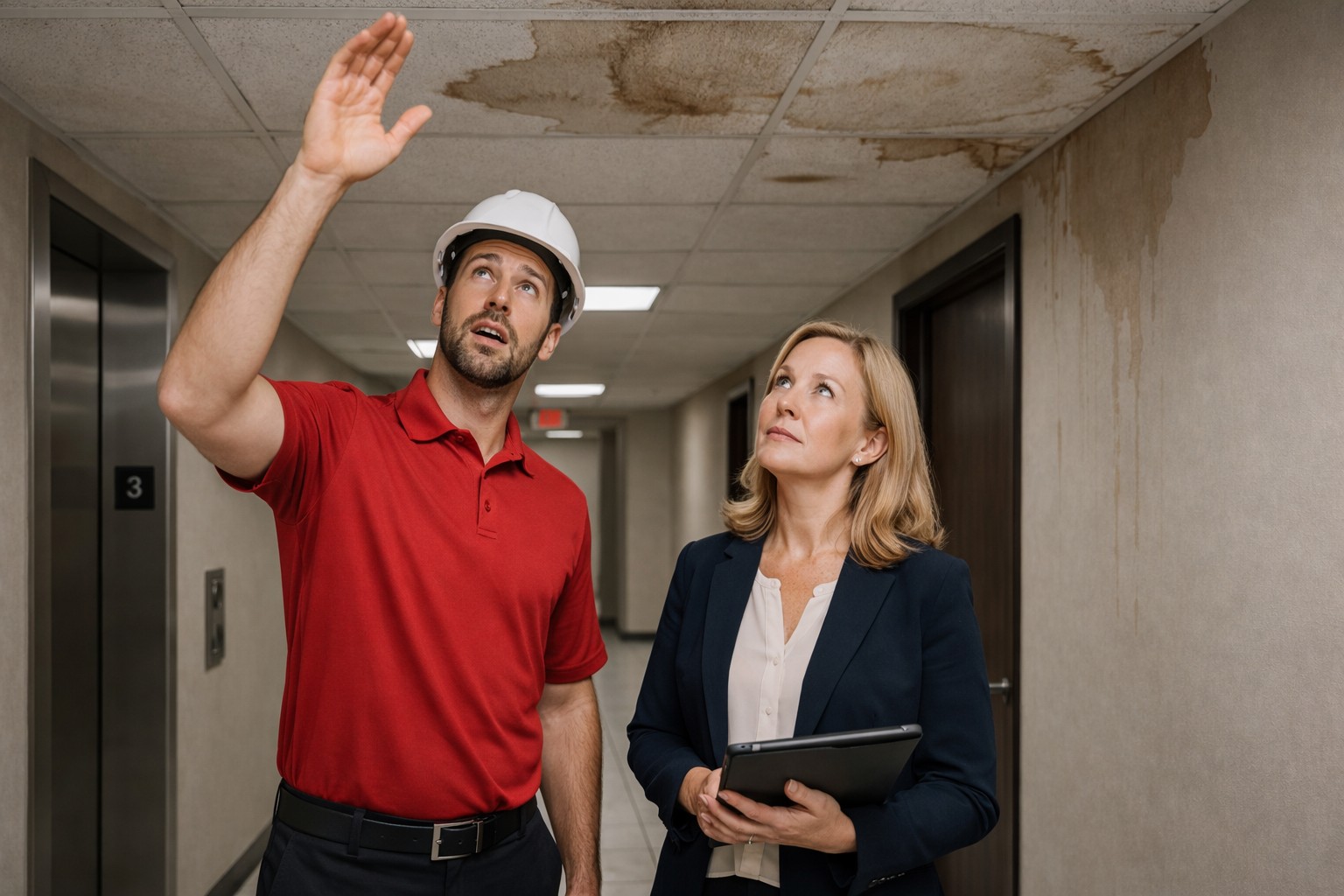
Should You Call Insurance or an Emergency Restoration Company First?
In many situations, homeowners should contact their insurance company or broker as soon as possible after property damage.
At the same time, if the damage is active, unsafe, or getting worse, emergency restoration may need to begin quickly.
A good way to think about it is this:
- Call your insurance representative early to report the loss and ask about your policy requirements.
- Call an emergency restoration contractor when the property needs immediate attention.
- Take photos and videos before cleanup where it is safe to do so.
- Avoid major repairs or demolition before the damage is properly documented, unless the work is needed for safety or to prevent further loss.
The Insurance Bureau of Canada advises homeowners to complete required forms, provide required documentation, and discuss with their insurer whether they can use a supplier of their choice to repair property damage.
This is important. Homeowners should not assume every contractor, repair, or service will be handled the same way by every policy. When in doubt, ask your insurer or broker.
If you are dealing with urgent property damage and do not know where to start, EMRG can help you find a vetted local restoration contractor. Call 1-844-344-3674 for 24/7 support.
Common Insurance Claim Situations That Require Emergency Restoration
Emergency restoration services are often needed after sudden and unexpected property damage. Some losses are straightforward. Others are more complex and may involve several trades, multiple affected rooms, or hidden damage.
Burst Pipes and Plumbing Leaks
A burst pipe can release a large amount of water in a short period of time. Even a smaller plumbing leak can damage flooring, drywall, cabinets, trim, and insulation.
Emergency restoration helps remove water, dry affected areas, and reduce the chance of secondary damage.
Basement Flooding
A flooded basement can come from several sources, including sump pump failure, sewer backup, foundation issues, heavy rain, or plumbing failure.
The source of the water matters for both cleanup and insurance coverage. Homeowners should speak with their insurer or broker to understand what their policy includes.
Sewer Backup
Sewer backup cleanup should be handled carefully because of contamination concerns. A professional restoration contractor can assess affected materials, remove what cannot be safely cleaned, dry the area, and help manage odour and sanitation concerns.
Homeowners should also confirm whether sewer backup coverage is included in their policy. In Canada, this is often tied to optional coverage or specific policy wording.
Fire and Smoke Damage
After a fire, emergency restoration may be needed to secure the home, assess smoke and soot damage, protect belongings, and begin the cleanup process.
Even if the fire was contained, smoke and odour can travel beyond the immediate area.
Storm and Wind Damage
Storms can damage roofs, windows, siding, fences, garages, and exterior openings. Once water enters the home, interior damage can follow quickly.
Emergency restoration may include temporary protection and water mitigation before full repairs are completed.
Mould After a Recent Water Loss
If water damage is not dried properly, mould can become a concern. A qualified restoration contractor can help assess moisture conditions and determine the right next steps.
This is especially important if the property has been wet for an extended period or if the homeowner notices musty odours, staining, or visible growth.
What Homeowners Should Do Before the Restoration Team Arrives
The first few hours after property damage can feel overwhelming. These steps can help protect your home and support the insurance claim process.
If it is safe, homeowners should:
- Make sure everyone is out of immediate danger.
- Stop the source of water if you know how and it is safe to do so.
- Avoid rooms with electrical hazards, sagging ceilings, contaminated water, or structural concerns.
- Take photos and videos of the damage before cleanup.
- Contact your insurance company or broker.
- Save receipts for emergency expenses.
- Keep damaged items until your insurer or restoration contractor advises otherwise, unless they create a safety or health risk.
- Avoid starting major repairs before the damage is documented.
If the situation involves sewage, electrical risk, fire damage, major flooding, or structural concerns, do not try to handle it alone.
Call EMRG at 1-844-344-3674 and we can help you find a vetted local restoration contractor available 24/7.
What Homeowners Should Avoid During an Insurance Restoration Claim
Some mistakes can make property damage harder to assess, harder to repair, or more difficult to document.
Homeowners should avoid:
- Waiting too long to deal with active water or storm damage
- Assuming all damage is covered without checking the policy
- Throwing away damaged contents before documentation
- Starting full repairs before the insurer has the information needed
- Hiring a general contractor with no restoration experience
- Ignoring hidden moisture
- Treating sewer backup as basic household cleaning
- Painting over smoke, soot, staining, or mould without proper assessment
A strong restoration response is not rushed or careless. It is organized, documented, and focused on protecting the property from further damage.
That is why choosing an experienced restoration contractor matters.
Does Home Insurance Cover Emergency Restoration Services in Canada?
Coverage depends on your policy, the cause of the damage, and any optional coverage you have purchased.
Some losses may be covered if they are sudden and accidental. Other situations may be limited or excluded, especially if the damage is gradual, maintenance-related, or connected to coverage that was not added to the policy.
For example, sewer backup and overland water coverage can vary by insurer and policy. Homeowners should confirm these details directly with their insurance representative. The Insurance Bureau of Canada notes that homeowners with flood or water concerns should speak with their insurance representative about coverage questions.
A restoration contractor can help document the damage and complete emergency restoration work. They cannot guarantee coverage, approve a claim, or interpret your policy for you.
That distinction is important.
The insurer decides coverage. The restoration contractor helps stabilize the property, complete the approved or required restoration work, and provide relevant documentation.
Why the Right Restoration Contractor Matters During an Insurance Claim
Not every contractor is set up for emergency restoration or insurance-related property damage.
A homeowner dealing with an insurance claim may need more than basic repairs. They may need a contractor who understands mitigation, documentation, safety, drying, contamination, smoke damage, contents, and communication with multiple parties.
The right restoration contractor can help by:
- Responding quickly to urgent damage
- Identifying affected areas
- Completing emergency mitigation
- Documenting visible and hidden damage
- Explaining the restoration process clearly
- Helping reduce further property damage
- Coordinating the next stage of restoration
- Communicating professionally with stakeholders when needed
For homeowners, this can reduce confusion during a stressful time.
For insurers, brokers, and adjusters, proper documentation and clear communication can help the claim move forward with fewer gaps.
For the property, early mitigation can help limit avoidable damage.
How EMRG Helps Homeowners Find Vetted Local Restoration Contractors
When property damage happens, many homeowners do not know who to call.
They may search online, ask neighbours, contact their broker, or wait for direction from the insurance company. During that time, the damage may continue to spread.
EMRG gives homeowners a practical place to start.
EMRG is a Canadian network of independently owned restoration contractors. Members are local companies that understand their communities, the insurance claim process, and the urgency of property damage. At the same time, they are part of a broader national network built around trusted restoration support across Canada.
For homeowners, that means you are not just calling a random contractor from a search result. You are reaching a network designed to help connect you with vetted local restoration professionals.
EMRG members can assist with emergency restoration services related to:
- Water damage
- Fire and smoke damage
- Storm damage
- Sewer backup cleanup
- Mould-related concerns
- Contents restoration
- Structural drying
- Property repairs and reconstruction
- Insurance-related restoration support
The benefit is simple. You get local service from restoration contractors who understand emergency response, backed by the strength of a national Canadian network.
If you are dealing with property damage, the right response matters from the start. EMRG helps connect homeowners with vetted local restoration contractors who can respond quickly, assess the situation, reduce further damage, and help document the loss as the insurance claim moves forward.
Call 1-844-344-3674 for 24/7 emergency restoration assistance.
Emergency Restoration Services for Insurance Claims: The Bottom Line
Property damage can become more complicated when homeowners are unsure what to do next.
The insurance claim matters. The emergency response matters too.
A restoration contractor does not decide what your policy covers. Your insurer does. But the right restoration team can help protect the property, reduce further damage, document the loss, and complete the emergency work needed to move the process forward.
If your home has been affected by water, fire, storm, sewer, or other sudden property damage, do not wait for the situation to get worse.
Contact your insurance representative as soon as possible. Take photos where it is safe. Avoid unnecessary cleanup before documentation. Then get qualified restoration support.
EMRG members are available 24/7 to help homeowners access vetted local restoration contractors when property damage becomes urgent.
Call 1-844-344-3674 for emergency restoration services across Canada.
Frequently Asked Questions
Do I need insurance approval before calling an emergency restoration company?
Not always. If the damage is active, unsafe, or getting worse, emergency mitigation may be needed quickly. You should still contact your insurance company or broker as soon as possible to report the loss and confirm your policy requirements.
Can a restoration contractor tell me if my insurance claim is covered?
No. A restoration contractor cannot approve or deny your claim. Coverage decisions are made by your insurer based on your policy and the cause of damage. A restoration contractor can help document the damage and provide restoration-related information.
What is the difference between mitigation and repairs?
Mitigation is the emergency work done to reduce further damage. This may include water extraction, drying, board-up, tarping, containment, or temporary protection. Repairs happen after the property is stabilized and the scope of work is clearer.
Should I clean up before the insurance adjuster sees the damage?
You should document the damage first if it is safe. Take photos and videos before moving items or starting cleanup. Avoid throwing away damaged belongings unless they create a health or safety concern.
Does insurance cover water damage restoration in Canada?
It depends on the source of the water and the wording of your policy. Sudden plumbing failures, sewer backup, overland water, seepage, and gradual leaks may all be treated differently. Always confirm coverage with your insurer or broker.
Can I choose my own restoration contractor for an insurance claim?
In many cases, homeowners may be able to discuss using a supplier of their choice, but policy and claim requirements can vary. Confirm this with your insurer before moving forward with major repairs.
Who should I call for emergency restoration services in Canada?
If you need emergency restoration services for an insurance claim, call EMRG at 1-844-344-3674. EMRG members are available 24/7 and can help homeowners find vetted local restoration contractors across Canada.
Related Blogs:
How to Make a Successful Water Damage Insurance Claim in Canada
Why Securing Your Property After a Disaster is Critical
Tree Fell on Your House? What Homeowners in Canada Need to Do