
Tree Fell on Your House? What Homeowners in Canada Need to Do
Posted April 13, 2026
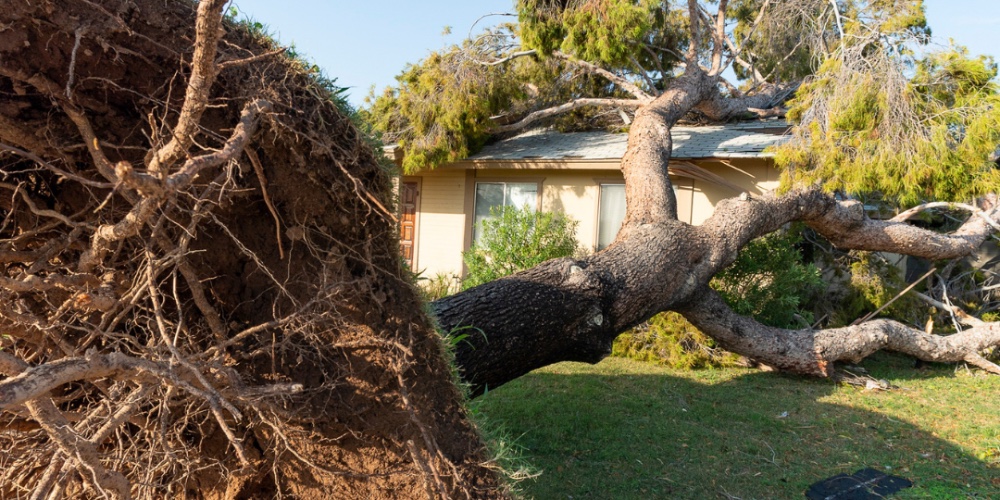
A tree striking your home can turn an ordinary day into an emergency. In many cases, the impact itself is only part of the problem. A fallen tree can damage the roof, walls, windows, and structural framing, while also exposing the interior to rain, insulation damage, and further water intrusion. In Canada, storm and wind damage to homes is often covered under standard home insurance, including damage caused by fallen trees or branches, although exact coverage still depends on the policy.
What matters most in the first few hours is not trying to solve everything at once. It is about making safe decisions, protecting the property from further damage where possible, documenting what happened, and getting the right professionals involved quickly. EMRG members help homeowners across Canada respond to urgent property damage situations like these, especially when a home has been opened to the weather and needs immediate stabilization.
Put Safety First
If a tree has fallen on your house, start with safety. Stay away from the damaged area until you understand the risks. A roof or wall may be unstable, glass may be shattered, and parts of the structure may still be under pressure from the tree. If anyone is hurt, if there is a fire risk, or if the home appears unsafe to remain in, call 911 right away. If power lines are involved, treat them as live and dangerous. Stay well back from fallen lines because the ground around them may also carry current.
If the tree has caused major structural damage, blocked exits, or brought an electrical hazard close to the house, leave the home and wait for emergency responders or the local power company to advise next steps. Personal safety comes before cleanup, salvage, or insurance paperwork.
Do Not Try to Remove the Tree Yourself
This is not a safe job for a homeowner. A fallen tree can shift suddenly, especially if it is resting on damaged framing or tangled with overhead lines. Homeowners should never try to remove a tree that has fallen onto a line. That work needs to be handled by the power company or qualified professionals because electricity can transfer to nearby objects even without direct contact.
Even if no lines are involved, cutting or moving a tree on a damaged roof can make things worse. It can widen an opening, trigger more collapse, or create new hazards inside the home. The safer approach is to secure the area and bring in the right help.
Call Emergency Services or Your Power Company When Needed
Not every fallen tree requires a 911 call, but some situations clearly do. Call emergency services immediately if there are injuries, fire, blocked escape routes, major structural failure, or a serious electrical danger. If overhead lines are down, contact your local electricity provider and keep everyone well back. Storm-damaged lines should always be treated as energized.
This matters because the first response depends on the hazard involved. Emergency crews and the electrical utility deal with life-safety issues first. Restoration professionals step in once the site is safe enough to begin protecting the property.
Document the Damage as Soon as It Is Safe
Once the area is safe to approach, start documenting what happened before conditions change too much. Taking clear photos and keeping good records early can help with both restoration planning and the insurance process.
Photograph and record:
- The tree on the house from multiple angles
- Damage to the roof, siding, windows, doors, soffits, or gutters
- Interior ceiling stains, wet drywall, broken glass, or debris
- Damaged belongings and affected rooms
- Weather conditions, if relevant
- Any visible openings where rain may enter
It also helps to note when the incident happened, when you discovered it, and what you observed first. That can be useful later if there are questions about the order of events or the emergency steps taken.
Contact Your Insurance Company Promptly
After immediate safety concerns are addressed, notify your insurer as soon as possible. In Canada, wind damage to a home is generally covered under standard home insurance, including damage caused by falling branches or trees and water entering through openings suddenly created by wind. Coverage can vary, and optional endorsements may still affect parts of the loss, so it is important not to assume every policy handles these claims the same way.
When you call, be ready to describe:
- What happened
- Whether the home is safe to occupy
- Whether emergency crews or the power company were involved
- The type of visible damage
- What temporary steps, if any, have already been taken
Your insurer may guide you on documentation, emergency mitigation, and next steps. Keep notes from every conversation and save receipts for any protective work carried out right away.
Take Reasonable Steps to Prevent Further Damage
Once it is safe, the next priority is stopping the situation from getting worse. Quick action can help reduce further water intrusion and interior damage.
Reasonable emergency steps may include:
- Emergency roof tarping
- Boarding up broken windows or openings
- Protecting unaffected contents from rain and debris
- Arranging water extraction if moisture has entered the home
- Moving salvageable belongings away from exposed areas
This is where EMRG members across Canada can make a major difference. Fast stabilization after a tree strike can help protect the home from further exposure while the larger removal and repair process is being arranged. Contact EMRG 24/7 at 1-844-344-3674.
Understand That Water Damage May Be the Next Problem
A tree hitting a roof does not only create structural damage. It can also open the door to water damage almost immediately. Once roofing materials are punctured or sections of the building envelope are broken open, rainwater can move into the attic, insulation, ceilings, wall cavities, and flooring below.
That is why response speed matters. Waiting too long to tarp, board up, or dry affected areas can allow a storm impact to turn into a much larger interior loss. What looks like roof damage at first can become soaked insulation, stained ceilings, swollen flooring, and contents damage by the end of the day.
What a Restoration Company Can Help With After a Tree Strike
Homeowners often think first about tree removal, which is understandable, but restoration support is often needed right away too. After a tree falls on a house, a restoration company may help with:
- Emergency tarping and temporary roof protection
- Board-up of broken windows or exterior openings
- Water extraction and drying
- Moisture checks in affected building materials
- Documentation of damage conditions
- Stabilization steps that help limit further loss
This is especially important when the home has been opened to the weather. EMRG members respond to these situations with the goal of protecting the property early, reducing secondary damage, and helping homeowners move into the next phase of recovery with more control. For professional support across Canada, contact EMRG 24/7 at 1-844-344-3674.
Common Damage a Fallen Tree Can Cause
No two losses are exactly the same, but a tree strike often leads to more than one category of damage. Depending on the size of the tree, the force of impact, and where it lands, homeowners may be dealing with:
- Roof punctures or partial roof collapse
- Attic and ceiling damage
- Broken windows and exterior doors
- Water intrusion from rain
- Damaged siding, soffits, fascia, or gutters
- Framing or structural concerns
- Wet insulation and drywall
- Damaged flooring and contents
The visible damage on the outside of the home is not always the full story. Once the structure has been opened up, hidden moisture and interior spread can become part of the loss quickly.
What Not to Do After a Tree Falls on Your House
In a stressful situation, it helps to be just as clear on what not to do.
Avoid these mistakes:
- Do not go near fallen power lines
- Do not try to remove or cut the tree yourself
- Do not ignore signs the structure may be unstable
- Do not wait too long to document the damage
- Do not delay reporting the loss to your insurer
- Do not leave the home exposed to rain if safe temporary protection can be arranged
A calm, organized response is more useful than a rushed one. The goal is to reduce risk and prevent additional damage, not to solve the entire situation in the first hour.
How the Process Usually Moves Forward
After the initial emergency phase, the recovery process usually becomes more structured. The exact sequence varies depending on severity, insurer instructions, and local conditions, but it often looks something like this:
- Immediate safety assessment
- Emergency response or utility involvement, if needed
- Documentation of damage
- Insurance notification
- Emergency stabilization and mitigation
- Tree removal by qualified professionals
- More detailed inspection of the building
- Repair and restoration planning
This is another reason early coordination matters. The more organized the first steps are, the easier it becomes to keep the file moving and protect the home from avoidable secondary damage.
Why Fast Action Matters
Delays after a tree strike can make a bad situation worse. A damaged roof left open through more rain can lead to a second wave of loss. Wet insulation and drywall can become harder to salvage. Broken windows and exposed openings can create security concerns. Interior materials can deteriorate faster than many homeowners expect.
Taking the right steps early does not just help protect the home. It also creates a clearer record of what happened and what was done in response. That can make the overall recovery process smoother.
Why Call EMRG After Wind and Storm Damage
When a tree falls on your house, you need more than a generic contractor list. You need fast action, clear communication, and the right emergency stabilization work before the damage spreads further.
EMRG members support homeowners across Canada with urgent response after wind and storm-related property damage, including situations where a home has been opened to the weather by fallen trees or branches. They help with the first steps that matter most after impact:
- Temporary protection of exposed areas
- Water mitigation and drying
- Documentation of affected spaces
- Coordination during the early phase of recovery
- Support when quick decisions are needed to protect the home
That matters because a tree strike is not just a cleanup issue. It is often the beginning of a restoration issue. Roof openings, water intrusion, wet contents, damaged ceilings, and interior spread can all become part of the problem in a short time.
If your home has been damaged by a fallen tree and needs emergency stabilization, EMRG is available 24/7 at 1-844-344-3674.
Final Thoughts
A tree falling on your house can be overwhelming, but the first steps are clear. Protect people first. Stay away from electrical hazards and unstable areas. Document the damage as soon as it is safe. Contact your insurer promptly. Take reasonable steps to prevent further damage. Bring in qualified professionals to stabilize the property and keep the situation from escalating.
The sooner the property is secured, the better your chances of limiting secondary loss. When a storm leaves your home exposed, EMRG members are ready to help protect it and move the recovery forward. For 24/7 emergency support in Canada, call 1-844-344-3674.
Frequently Asked Questions
Will insurance cover a tree falling on my house in Canada?
In many cases, yes. Standard home insurance often covers wind damage, including damage caused by fallen trees or branches, as well as water entering through openings suddenly caused by wind. Exact coverage depends on the policy.
Should I leave my house if a tree falls on it?
If there is major structural damage, electrical danger, blocked exits, or any sign the home is unsafe, leave the home and call emergency services or your local power company as needed. Safety comes first.
Who should I call first if a tree falls on my house?
Call 911 first if there is an immediate danger such as injury, fire, structural collapse, or live power lines. If there are no life-safety issues, document the damage when safe, contact your insurer promptly, and arrange qualified emergency help to protect the property.
Can I remove the fallen tree myself?
That is not recommended. A tree on a damaged house can shift unexpectedly, and if electrical lines are involved, the danger can be severe. Qualified professionals should handle removal in hazardous situations.
Why should I call a restoration company after a tree hits my house?
Because the impact often creates immediate exposure to rain, water intrusion, and further interior damage. Fast tarping, board-up, drying, and documentation can help protect the property while the larger repair process is being arranged.
What should I photograph after a tree falls on my home?
Photograph the tree on the house, damage to the roof and exterior, interior water or ceiling damage, broken windows or doors, and damaged belongings. Early documentation is useful for both recovery planning and insurance handling.
Related Blogs:
Why Securing Your Property After a Disaster is Critical
Storm Damage Restoration: Protect Your Home & Recover Faster
Should You Call Insurance or a Contractor First After Property Damage?