
What to Do When Your Rental Property Floods in Canada
Posted February 26, 2026
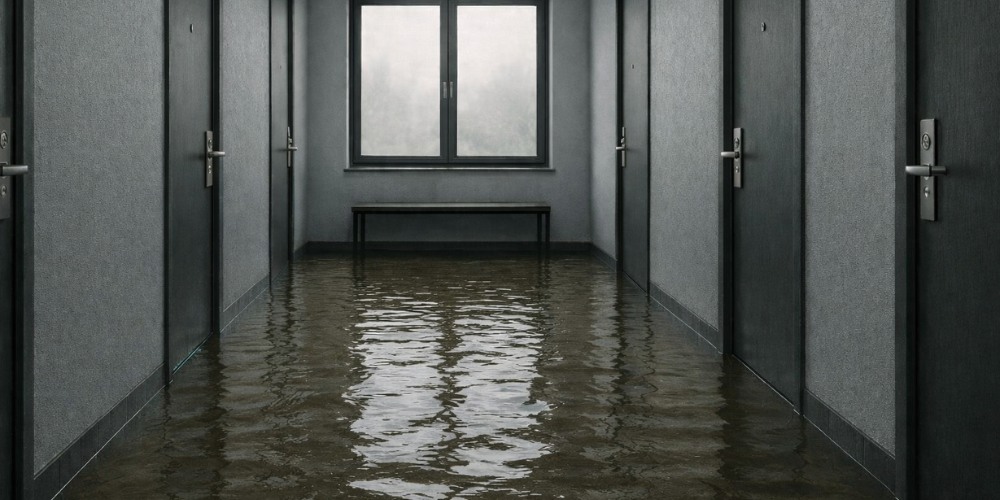
Flooding in a rental property is stressful for everyone involved. Whether it is a burst pipe in winter, a sewer backup after heavy rain, or a failed appliance in an upper unit, water spreads quickly and damage escalates fast. In Canada’s climate, rental properties are especially vulnerable during spring thaw, major storms, and freezing temperatures.
If your rental property floods, the actions taken in the first few hours can significantly reduce repair costs, prevent mould growth, and protect landlord and tenant relationships. This guide explains what to do immediately, how responsibilities are typically divided, how insurance fits in, and how to choose the right restoration professional anywhere in Canada.
First Steps to Take Immediately After a Rental Property Floods
- Make Sure Everyone Is Safe
Safety always comes first.
If there is standing water:
- Avoid entering areas where water may be in contact with electrical outlets or appliances.
- If safe to do so, turn off electricity to the affected area at the breaker panel.
- Avoid contact with water that may be contaminated, especially in cases of sewer backup.
If the situation feels unsafe, contact emergency services before doing anything else.
- Stop the Source of the Water
If the flooding is from a plumbing failure:
- Shut off the main water supply.
- Turn off the affected appliance or fixture if possible.
If the flooding is caused by heavy rain, foundation seepage, or sewer backup, the source may not be immediately stoppable. In those cases, the focus should shift to damage control and contacting a qualified restoration professional as quickly as possible.
- Document the Damage
Before cleanup begins, document everything carefully.
- Take clear photos and video of all affected areas.
- Record the date and time the damage was discovered.
- Photograph damaged contents and building materials.
Proper documentation helps with insurance claims and reduces disputes between landlords and tenants.
Quick response matters. EMRG members across Canada provide 24 hour emergency service to stabilize properties before damage spreads further.
EMRG is a national network of water damage restoration and multi-unit flood damage specialists. Our members across Canada are ready to support landlords and property managers with a rapid reliable response to flooding in a rental property. Contact us 24/7 at 1-844-344-3674.
Who Is Responsible? Landlord and Tenant Responsibilities in Canada
Responsibilities in a flooded rental property depend on the cause of the damage and provincial tenancy legislation. While specific rules vary by province, some general principles apply across Canada.
Landlord Responsibilities
In most cases, landlords are responsible for:
- Structural repairs.
- Restoring the property to a habitable condition.
- Addressing plumbing, roofing, and building envelope issues.
- Hiring qualified professionals to complete drying and restoration.
If the flood was caused by building systems, such as a burst pipe inside the walls or a failed sump pump, the landlord is typically responsible for repairs.
Tenant Responsibilities
Tenants are generally responsible for:
- Reporting damage immediately.
- Taking reasonable steps to prevent further damage if safe.
- Carrying tenant insurance for personal belongings.
Tenant insurance usually covers damaged contents and temporary accommodation if the unit becomes uninhabitable. It does not cover repairs to the building itself.
Clear communication between landlord and tenant is critical. Quick involvement of a professional restoration contractor can also reduce conflict by providing objective documentation of the damage.
Should You Call Insurance First or a Restoration Company?
This is one of the most common questions after a rental property floods.
In most situations, you should contact a qualified restoration professional immediately. Water damage worsens by the hour. Drywall absorbs moisture, flooring swells, and mould can begin developing within 24 to 48 hours under the right conditions.
A professional restoration company can:
- Extract standing water.
- Set up commercial drying equipment.
- Assess the extent of hidden moisture.
- Provide documentation suitable for insurance claims.
Once mitigation has started, you can notify your insurance provider and provide them with detailed information.
EMRG supports landlords and property managers with vetted restoration professionals who understand both emergency response and insurance documentation requirements. This reduces guesswork during a stressful situation. Call us 24/7 at 1-844-344-3674.
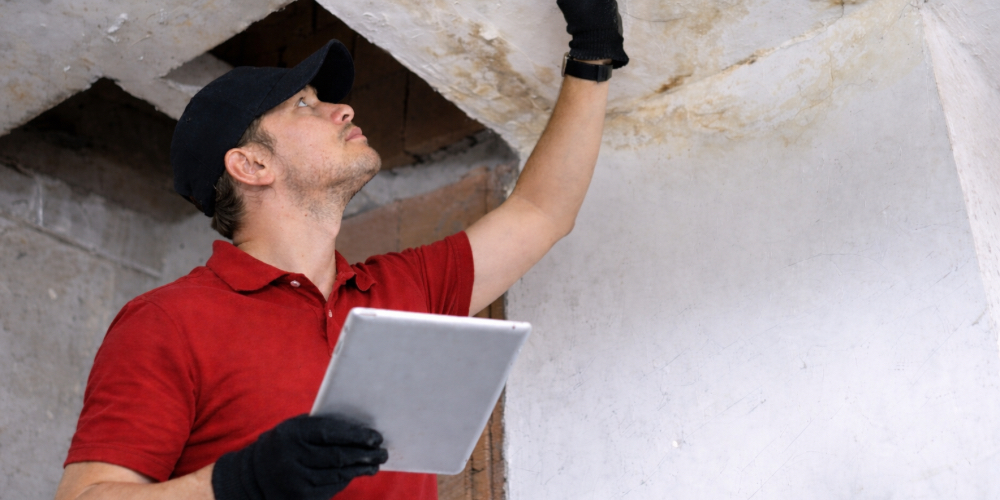
Common Causes of Rental Property Flooding in Canada
Understanding the cause of the flood is essential for prevention and insurance purposes. Common causes include:
Frozen and Burst Pipes
In colder regions, vacant rental units are particularly vulnerable. If the heat is set too low or shut off, pipes can freeze and burst, causing significant damage before anyone notices.
Sewer Backup
Heavy rainfall or municipal sewer overload can force wastewater back into lower-level units. Sewer backups require specialized cleaning due to contamination risks.
Appliance Failures
Washing machines, dishwashers, and water heaters are common sources of sudden flooding. In multi-unit buildings, an upper unit appliance failure can damage multiple units below.
Roof Leaks
Storm damage or aging roofing materials can allow water intrusion during heavy rain or snowmelt.
Sump Pump Failure
In areas prone to groundwater issues, sump pump failure can quickly lead to basement flooding.
The Water Damage Restoration Process Explained
Many landlords and tenants are unsure what actually happens during professional flood cleanup. A structured restoration process protects the building and reduces long-term risk.
Emergency Water Extraction
Industrial-grade pumps and vacuums remove standing water. This step limits further absorption into materials.
Drying and Dehumidification
Commercial air movers and dehumidifiers are strategically placed to dry affected materials. Residential fans are not sufficient for proper structural drying.
Moisture Mapping and Monitoring
Technicians use moisture meters and thermal imaging to detect hidden water behind walls, under flooring, and inside ceiling cavities. Daily monitoring ensures materials reach acceptable drying standards.
Removal of Unsalvageable Materials
Wet drywall, insulation, and flooring may need to be removed if they cannot be safely dried.
Cleaning and Sanitizing
Antimicrobial treatments are applied where necessary, especially in cases of contaminated water.
Repairs and Reconstruction
Once the structure is dry and safe, repairs can begin. This may include drywall replacement, painting, flooring installation, and other finishing work.
Hiring a restoration contractor with experience in multi-unit properties is especially important in rental buildings. Coordinating access, minimizing disruption, and communicating clearly with tenants requires experience.
What Happens If You Delay Flood Cleanup?
Delaying professional cleanup increases both cost and risk.
Potential consequences include:
- Mould growth within 24 to 48 hours in damp conditions.
- Warped flooring and structural deterioration.
- Persistent odours.
- Electrical hazards.
- Insurance claim complications due to secondary damage.
In rental properties, delays can also lead to disputes about habitability and potential rent abatement issues.
Quick intervention by a qualified restoration professional protects both the building and the landlord-tenant relationship.
How Flooding Affects Multi-Unit and Apartment Buildings
Flooding in a detached home is serious. Flooding in a multi-unit property can be even more complex.
Water often travels vertically and horizontally between units. A burst pipe in one suite may affect several below. Shared plumbing stacks can complicate the source investigation.
Property managers must coordinate:
- Access to multiple units.
- Communication with tenants.
- Documentation for insurers and strata corporations.
- Health and safety measures in common areas.
This is where experience matters. EMRG members specialize in multi-unit restoration and understand the operational challenges of rental and strata properties across Canada. Contact us 24/7 at 1-844-344-3674.
How to Choose the Right Restoration Professional
When your rental property floods, time is limited. Choosing the right contractor quickly is critical.
Look for the following:
- IICRC certified technicians.
- Proven experience with rental and multi-unit properties.
- 24 hour emergency availability.
- Proper commercial drying equipment.
- Experience working with insurance providers.
- Clear documentation and reporting practices.
Not all contractors have the training or equipment required for professional structural drying. Incomplete drying can lead to hidden mould and future liability.
EMRG members are vetted restoration professionals across Canada. Instead of searching online during an emergency, landlords and property managers can connect with experienced local contractors through one trusted intake point.
If you manage properties in multiple provinces, EMRG can coordinate response across regions while maintaining consistent standards.
Preventing Future Flood Damage in Rental Properties
Prevention is always more cost-effective than restoration.
Landlords can reduce risk by:
- Conducting regular plumbing inspections.
- Maintaining sump pumps and backwater valves.
- Ensuring proper grading and exterior drainage.
- Winterizing vacant units.
- Installing leak detection systems in high-risk areas.
- Encouraging tenants to report small leaks immediately.
Routine maintenance reduces emergency calls and protects long-term property value.
Frequently Asked Questions About Rental Property Flooding
Is a flooded rental property considered an emergency?
Yes. Most flooded rental properties qualify as emergencies because water damage can spread quickly and cause structural deterioration, electrical hazards, and contamination risks. Immediate mitigation reduces long-term damage and repair costs.
Does landlord insurance cover flood damage?
Coverage depends on the policy and the source of the water. Sudden and accidental water damage, such as a burst pipe, is typically covered. Overland flooding and sewer backup often require specific endorsements. Landlords should review their policies carefully and confirm coverage with their insurer.
Who pays for temporary accommodation if tenants must leave?
If the unit becomes uninhabitable due to an insured loss, tenant insurance usually covers temporary accommodation for the tenant. If the tenant does not have insurance, responsibility may depend on provincial tenancy legislation and the specific cause of the flood.
How long does water damage restoration take?
Drying typically takes three to five days, depending on the extent of the damage and environmental conditions. Repairs and reconstruction may take longer, especially in multi-unit buildings where multiple suites are affected.
Can tenants withhold rent after flooding?
Tenants cannot automatically withhold rent without following provincial tenancy procedures. If the unit is deemed uninhabitable, rent adjustments may apply under provincial law. Landlords should consult their local tenancy authority for guidance.
Will flood damage lower the value of my rental property?
If handled quickly and professionally, flood damage does not typically reduce long-term property value. Problems arise when drying is incomplete, structural damage is missed, or repairs are done improperly. Thorough mitigation, proper documentation, and quality repairs protect both resale value and long-term rental income.
Why Landlords and Property Managers Across Canada Trust EMRG
When a rental property floods, you do not have time to research contractors, compare reviews, and verify credentials.
EMRG is a national network of vetted restoration professionals serving communities across Canada. Every member meets strict standards for training, experience, and equipment.
By contacting EMRG at 1-844-344-3674, available 24 hours a day, landlords and property managers can:
- Connect with a qualified local restoration contractor quickly.
- Access professionals experienced in multi-unit properties.
- Receive proper documentation for insurance claims.
- Ensure consistent quality across different regions.
- Reduce downtime and protect rental income.
Whether you manage one property or an entire portfolio across provinces, EMRG simplifies the response process. You are connected directly with experienced restoration professionals who understand Canadian building practices, climate challenges, and tenancy considerations.
Flood damage does not wait. The right response team makes the difference between a controlled restoration and a costly escalation.
If your rental property floods anywhere in Canada, contact EMRG at 1-844-344-3674 for immediate assistance. Available 24 hours a day, seven days a week.
Related Blogs:
How to Make a Successful Water Damage Insurance Claim in Canada
Should You Call Insurance or a Contractor First After Property Damage?
Emergency Planning for Commercial and Multi-Unit Residential Buildings


