
How to Clean Soot and Smoke Damage from Walls and Ceilings
Posted January 26, 2026
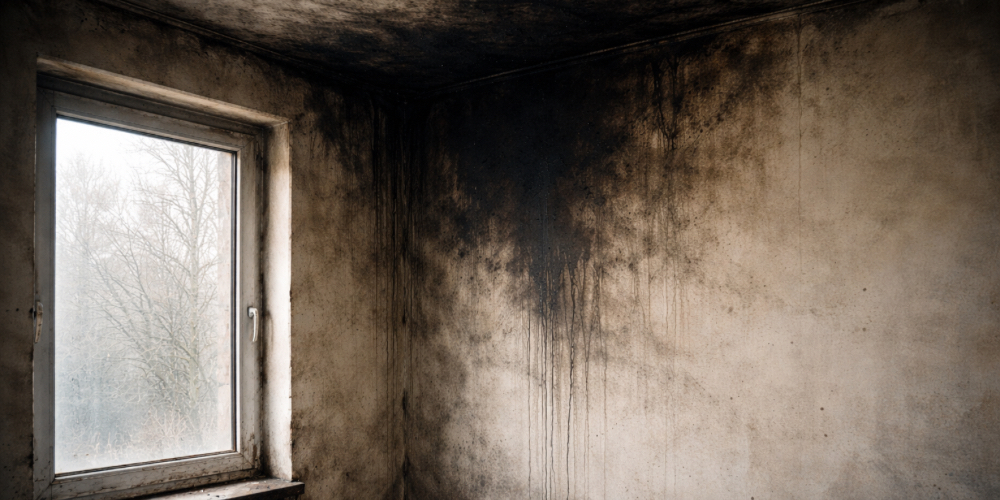
Smoke and soot damage can remain long after a fire is extinguished. Even small fires or nearby smoke exposure can leave dark staining, greasy residue, and lingering odours on walls and ceilings. Cleaning this damage properly is critical. When handled incorrectly, soot can smear, penetrate deeper into surfaces, or cause permanent staining that leads to costly repairs.
This guide explains how soot and smoke damage affects walls and ceilings, what can be safely cleaned, what should never be done, and when professional restoration is the right choice.
What Is Soot and Why Is It So Hard to Remove?
Soot is a fine black carbon residue created when materials burn incompletely. It often contains acidic compounds, oils, and toxic particles that cling to surfaces.
Soot is difficult to remove because it bonds quickly to paint, drywall, and ceiling finishes, spreads easily when disturbed, and can be oily rather than dry. Fires involving plastics, wiring, furniture, or synthetic materials typically produce sticky soot that requires specialized cleaning methods.
Is It Safe to Clean Soot and Smoke Damage Yourself?
Minor soot residue from a small incident may be manageable in limited areas. However, smoke and soot exposure can pose health risks, particularly for children, seniors, and individuals with respiratory conditions.
Before attempting any cleaning:
- Wear gloves, eye protection, and a proper mask
- Ensure the area is dry and well ventilated
- Avoid touching soot with bare hands
DIY cleaning is not recommended when soot covers large areas, has an oily or greasy texture, odours persist throughout the property, or smoke has affected multiple rooms or ceilings. In these situations, professional restoration is the safest and most effective option.
What You Should Not Do When Cleaning Soot from Walls and Ceilings
Improper cleaning is one of the most common causes of permanent damage after a fire.
Avoid these mistakes:
- Do not use water first, as moisture causes soot to smear and penetrate deeper
- Do not scrub aggressively, which pushes soot into paint and drywall
- Do not use household cleaners or bleach, which can worsen staining
- Do not vacuum without a HEPA filter, as this spreads contamination
- Do not repaint before proper cleaning and sealing, or stains will return
How to Clean Soot from Painted Walls
Painted walls can sometimes be cleaned successfully if the damage is light and addressed quickly.
Step 1: Dry soot removal
Use a chemical soot sponge designed for fire cleanup. Work from the top down using light pressure. Do not rinse the sponge in water.
Step 2: Wet cleaning
After dry soot removal, use a mild degreasing cleaner formulated for smoke residue. Apply gently with a soft cloth or sponge and clean in small sections.
Step 3: Rinse and dry
Lightly rinse with clean water and dry thoroughly using fans or ventilation. If staining remains, sealing and repainting may be required.
How to Clean Soot from Porous or Unpainted Walls
Porous surfaces absorb smoke and soot more deeply and are harder to restore. These surfaces include drywall, brick, concrete, plaster, and masonry.
In many cases, professional cleaning combined with sealing is necessary. Severely affected drywall or plaster may require partial removal and replacement to fully eliminate contamination and odours.
How to Clean Smoke and Soot Damage from Ceilings
Ceilings are often more affected than walls because smoke rises. Flat paint absorbs soot easily, and gravity can cause streaking during cleaning. Textured and popcorn ceilings trap residue and are especially difficult to restore.
Popcorn ceilings typically cannot be cleaned effectively and often require removal. Professional assessment is strongly recommended before attempting any ceiling cleaning.
Can Soot Stains Be Removed or Do Walls Need to Be Repainted?
Cleaning alone does not always restore walls and ceilings. Light residue may be fully removed, but persistent staining usually requires a specialized sealing primer. Repainting without proper sealing almost always results in stains bleeding back through the finish.
Professional restoration companies determine whether cleaning, sealing, repainting, or replacement is the correct solution.
How Long Does It Take to Clean Smoke and Soot Damage?
The time required depends on the size of the affected area, the type of soot, the surface materials involved, and the severity of smoke exposure.
Minor damage may take one to two days. Whole-home smoke damage can take several days or longer, especially when odour treatment and repairs are required.
Will Smoke Odours Remain After Cleaning?
Surface cleaning does not always eliminate smoke odours. Odours can remain trapped in wall cavities, ceilings, insulation, and HVAC systems.
Professional restoration often includes advanced odour removal methods such as thermal fogging, hydroxyl treatment, or ozone treatment where appropriate. These methods neutralize odours at the molecular level rather than masking them.
When Should You Call a Professional Smoke and Soot Restoration Company?
You should contact a professional if soot affects multiple rooms or ceilings, the residue is oily or sticky, odours persist after cleaning, insurance coverage is involved, or you want to avoid long-term damage and repeat work.
EMRG members are trained to assess the full scope of smoke and soot damage before cleaning begins. This ensures the right approach is used from the start and prevents unnecessary costs.
How EMRG Members Handle Smoke and Soot Damage
EMRG members follow industry-approved restoration processes that include detailed damage assessment, surface-specific cleaning techniques, HEPA filtration and containment, proper sealing and finishing, and coordination with insurance providers when applicable.
With vetted restoration professionals across Canada, EMRG supports property owners with experienced specialists who deliver consistent, high-quality results. Contact us 24/7 at 1-844-344-3674
Does Insurance Cover Soot and Smoke Damage?
Most insurance policies cover smoke and soot damage caused by a fire or related incident. Proper documentation and professional remediation are critical to a smooth claims process.
Improper DIY cleaning can complicate claims, reduce coverage eligibility, and increase out-of-pocket costs. EMRG members understand insurance requirements and help guide property owners through restoration efficiently.
Frequently Asked Questions
Can vinegar clean soot from walls?
Vinegar may help with very light residue but is not effective for oily or heavy soot and can worsen staining.
Is soot toxic?
Yes. Soot can contain harmful chemicals and should be handled with care.
Can smoke damage return after cleaning?
Yes, if surfaces are not properly cleaned and sealed.
How soon should soot be cleaned after a fire?
As soon as it is safe to do so. Delays increase staining and odour absorption.
Professional Help Makes the Difference
Cleaning soot and smoke damage is more complex than it appears. Using the wrong methods can cause permanent damage and lingering odours that affect indoor air quality and property value.
For safe, thorough, and professional smoke and soot restoration across Canada, contact EMRG 24/7 at 1-844-344-3674.
Related Blogs:
What to Do After a Fire: Essential Guide to Documenting Damage
Should You Call Insurance or a Contractor First After Property Damage?


