
How Much Water Does It Take to Cause Damage to Your Property?
Posted February 19, 2026
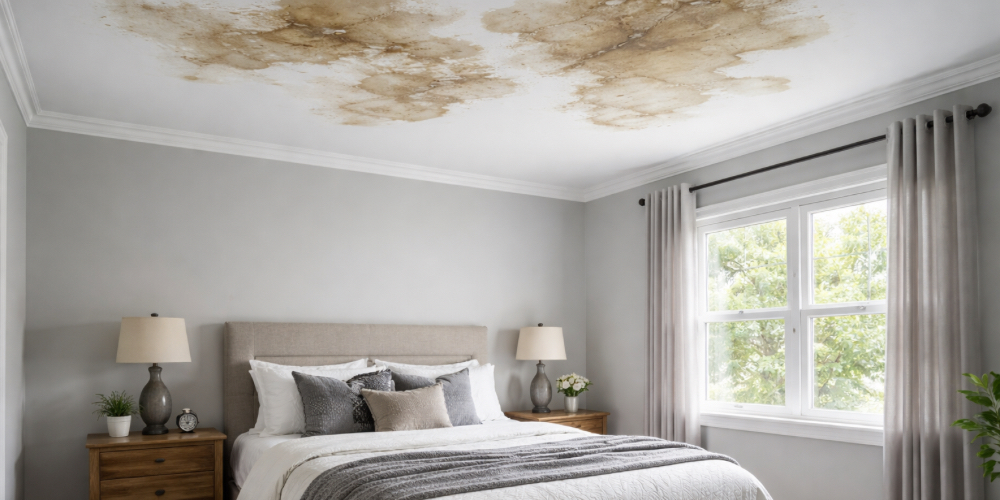
It surprises many property owners to learn that serious water damage does not require a major flood. In many cases, a small leak that goes unnoticed for a day or two can cause thousands of dollars in damage. Water spreads quickly, absorbs into materials you cannot see, and begins affecting structural components almost immediately.
As restoration professionals across Canada regularly see, it does not take much water to create major problems. The real issue is how long it sits, where it travels, and what materials it touches.
Understanding how water behaves inside a building helps explain why even minor incidents should never be ignored.
How Much Water Can Cause Damage to a House?
The short answer is less than most people think.
Serious water damage does not require a flooded basement. Even a thin layer of standing water can create significant problems depending on how long it remains and what materials it touches.
To understand the risk, it helps to look at both water depth and real-world scenarios.
What Different Water Levels Can Mean Inside a Property
- Less than 1 inch: Even a thin layer of water on hardwood can cause cupping, swelling, and staining. As little as one quarter inch entering through a leaky window can damage hardwood floors and baseboards within 72 hours.
- 1 to 2 inches: At this level, drywall begins absorbing moisture through capillary action. Water can wick upward as much as 24 inches above the visible water line. A burst pipe creating just 1.5 inches of standing water can damage walls, flooring, and subfloors quickly.
- 2 to 4 inches: Insulation inside walls becomes saturated. Electrical outlets may short circuit. Wood and upholstered furniture often cannot be salvaged. Restoration becomes more invasive and typically requires removal of drywall and insulation.
- 6 inches or more: Structural components such as floor joists and support beams may be affected. If prolonged saturation impacts the foundation, sections of the property can become unsafe. While extreme, these situations do occur in Canada during heavy rainfall, spring thaw, and flood events.
It Is Not Just About Depth
Water damage is also influenced by how much water is released and how quickly it spreads.
Consider common incidents:
- A slow drip under a sink can release 30 litres or more in a single day
- A burst pipe can discharge thousands of litres per hour
- A washing machine hose failure can flood multiple rooms in minutes
- Ice dams can force water into attic insulation without visible interior pooling
Water does not stay where you see it. It travels through seams, under baseboards, behind drywall, and into insulation. Many building materials used in Canadian homes are porous. Drywall, wood framing, particleboard cabinets, and subflooring absorb moisture rapidly.
There is no safe amount of uncontrolled water inside a building. Whether it is a small leak or several inches of flooding, prompt professional assessment is critical.
If you are unsure how severe the damage is, contacting EMRG immediately can help prevent minor water exposure from turning into major structural repairs. Call us 24/7 at 1-844-344-3674.
How Quickly Does Water Damage Happen?
Water damage begins almost immediately.
Within the first hour, water spreads through flooring, wicks into drywall, and seeps into structural cavities.
Within the first 24 hours:
- Drywall softens and swells
- Wood flooring begins expanding
- Adhesives under flooring start breaking down
- Electrical hazards may develop
Between 24 and 48 hours:
- Flooring may buckle or warp
- Musty odours can develop
- Moisture spreads into insulation and framing
- Mould spores may begin activating
After 48 to 72 hours:
- Mould growth can begin
- Structural materials weaken
- Indoor air quality declines
After one week:
- Permanent structural damage may develop
- Extensive material removal is often required
- Restoration costs increase significantly
Across Canada, restoration contractors frequently respond to situations where a minor leak left unattended over a weekend resulted in full tear-out of flooring and drywall. Quick action dramatically reduces damage and overall cost.
Can Water Cause Structural Damage?
Yes, water can cause structural damage, especially if it is not addressed quickly.
Prolonged moisture exposure weakens load-bearing materials. Wood framing absorbs water and can begin deteriorating. Subfloors may lose strength and feel soft underfoot. Ceiling drywall can sag and collapse if saturated.
Common structural concerns include:
- Rotting floor joists
- Compromised support beams
- Foundation cracks caused by soil saturation
- Warped framing around windows and doors
- Rusting metal connectors and fasteners
In Canadian climates, freeze and thaw cycles increase the risk. Water that seeps into cracks before winter can freeze and expand, worsening structural damage.
Structural deterioration does not always appear immediately, which is why professional moisture mapping is critical after any water event.
What Are the Signs of Water Damage in a House?
Some signs are visible. Others are hidden behind walls or under flooring.
Visible indicators include:
- Ceiling or wall staining
- Bubbling or peeling paint
- Warped hardwood floors
- Baseboards separating from walls
- Sagging drywall
Hidden signs may include:
- Musty odours
- Elevated indoor humidity
- Sudden increases in water bills
- Cold spots on walls
- Persistent condensation
After heavy rain or basement seepage, you may also notice efflorescence on concrete or damp insulation.
If you observe any of these warning signs, a professional inspection is advisable. EMRG members use advanced moisture detection tools to identify hidden water damage that may not be visible to the eye. Contact EMRG today for a full water damage assessment of your property. Call us 24/7 at 1-844-344-3674.
How Long Does It Take for Water Damage to Turn to Mould?
Mould can begin growing within 24 to 48 hours under the right conditions.
Mould spores are naturally present in indoor environments. When moisture is introduced and remains on organic materials such as drywall or wood, growth can begin quickly.
Typical progression:
- 24 to 48 hours: spores activate
- 3 to 5 days: visible growth may appear
- 1 to 2 weeks: contamination can spread significantly
Warm indoor temperatures and trapped moisture accelerate this process. Surface dryness does not mean structural dryness. Moisture trapped inside walls or subfloors can continue feeding mould growth even after surfaces appear dry.
Proper drying reduces this risk dramatically.
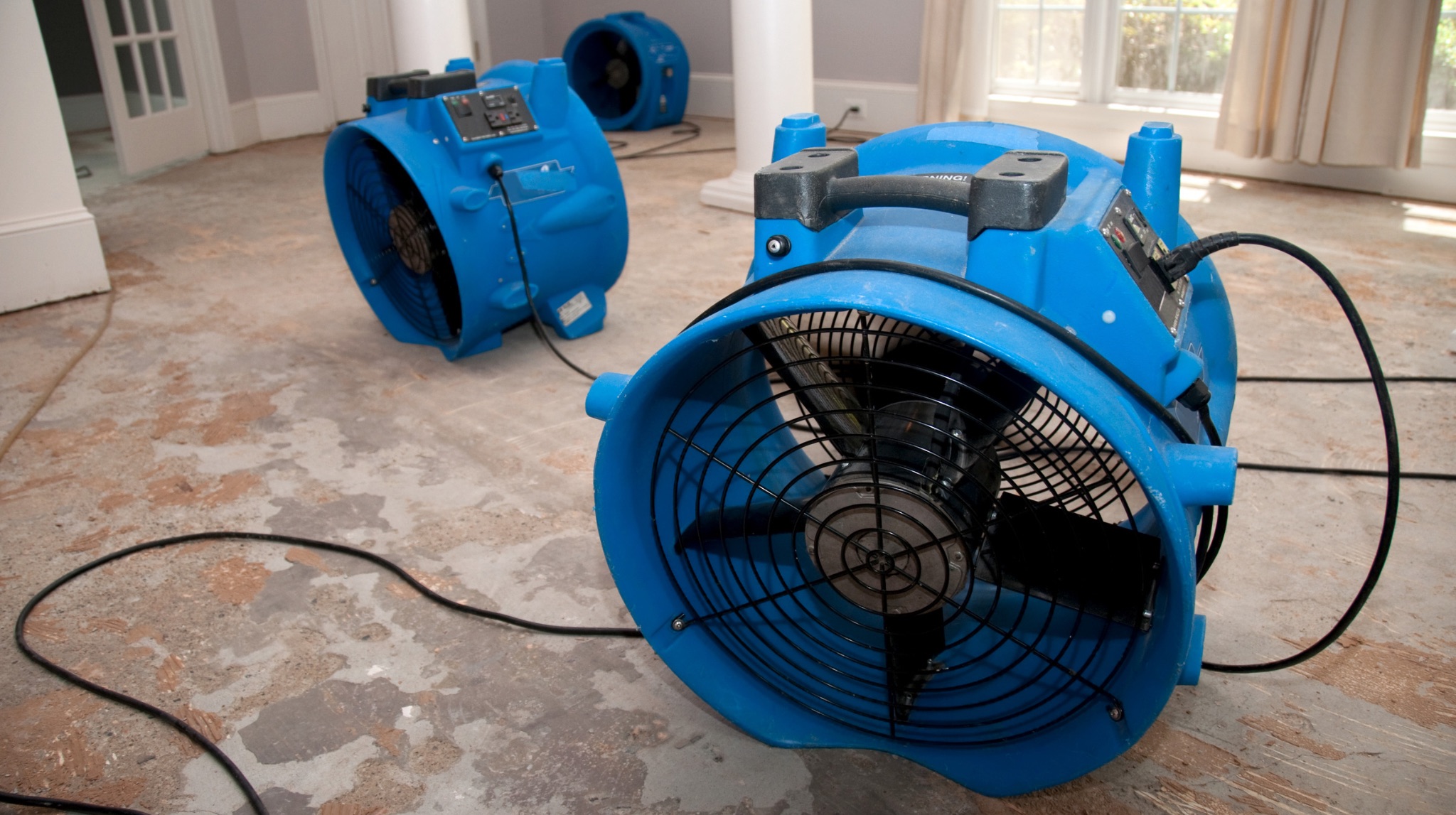
How Do You Dry Out a House After Water Damage?
Drying a home properly requires more than household fans.
Step 1: Stop the source
Shut off the water supply, repair plumbing, or secure the roof.
Step 2: Professional moisture assessment
Qualified restoration professionals use:
- Moisture meters
- Thermal imaging cameras
- Hygrometers
- Detailed moisture mapping
Step 3: Water extraction
Commercial extraction equipment removes standing water efficiently.
Step 4: Controlled structural drying
Industrial air movers and dehumidifiers are strategically placed to create proper airflow and remove moisture from building materials. Daily monitoring ensures materials return to acceptable moisture levels.
DIY attempts often fail because hidden moisture remains inside cavities. Incomplete drying increases the likelihood of mould and structural damage.
EMRG members across Canada follow industry standards and use commercial-grade equipment to ensure drying is thorough and documented.
Will Insurance Pay Out for Water Damage in Canada?
Insurance coverage depends on the cause of the damage and your specific policy.
Typically covered:
- Sudden and accidental burst pipes
- Appliance overflows
- Plumbing failures
- Sewer backup if you have the appropriate endorsement
Often not covered:
- Gradual leaks
- Maintenance issues
- Long-term seepage
- Neglected foundation cracks
Most policies require homeowners to mitigate damage promptly. Delaying response can affect claim eligibility.
Experienced restoration professionals assist with documentation, moisture reports, and communication with insurance adjusters. EMRG members understand insurance processes and work professionally with carriers to help streamline claims.
What Impacts the Cost of Water Damage Restoration?
Several factors influence restoration costs:
- Category of water contamination
- Size of affected area
- Materials involved
- Presence of mould
- Structural damage
- Speed of response
Faster mitigation generally means lower overall cost and less invasive repairs.
Why Property Owners Across Canada Trust EMRG
When water damage occurs, the contractor you choose matters.
EMRG is a national network of independent restoration contractors across Canada. Members undergo a vetting process before joining the network. This ensures they meet strict standards for experience, certification, professionalism, and operational capability.
EMRG members are:
- Experienced in water damage mitigation and structural drying
- Properly certified and trained
- Equipped with commercial-grade restoration equipment
- Knowledgeable in insurance coordination
- Committed to established industry best practices
Choosing EMRG means you are working with a reputable and experienced contractor who meets network standards. You are not hiring an unknown operator found through an online search.
If your property has experienced water intrusion, contact EMRG at 1-844-344-3674. Assistance is available 24 hours a day, 7 days a week.
Final Thoughts
It does not take a flood to cause serious property damage. Even small amounts of water can compromise flooring, drywall, insulation, and structural components in a short period of time.
Water damage begins quickly. Mould can develop within days. Structural deterioration can follow if moisture remains trapped.
The key is immediate, professional action. If you suspect water damage in your home or commercial property, do not wait.
Contact EMRG at 1-844-344-3674 for 24/7 assistance and be connected with a vetted restoration professional in your area who can assess the situation and protect your property properly.
Related Blogs:
How to Make a Successful Water Damage Insurance Claim in Canada


