
Burst Pipe Flood Damage: What Property Owners Need to Do
Posted December 22, 2025
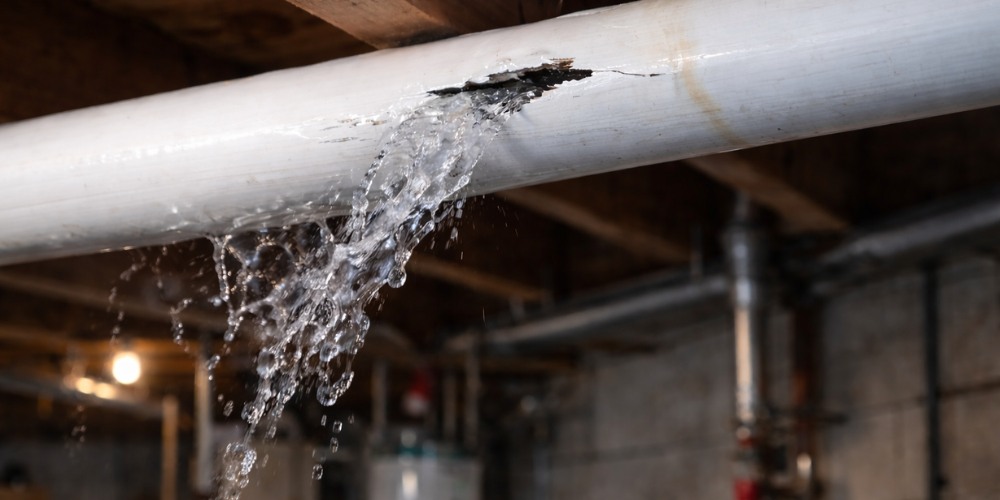
Burst pipes are one of the most common causes of sudden flooding in homes and buildings across Canada. When a pipe fails, water can spread quickly through walls, floors, ceilings, and concealed spaces, causing extensive damage in a short period of time. Whether the issue occurs during winter or at another time of year, understanding what causes pipe bursts and how to respond can make a significant difference in the outcome.
This guide explains what a pipe burst is, how frozen pipes lead to flooding, what to do immediately after damage occurs, how insurance typically responds, and how property owners can reduce the risk in the future.
What Is a Pipe Burst?
A pipe burst occurs when a water supply pipe cracks or ruptures, allowing pressurized water to escape into the surrounding structure. This can happen suddenly or develop after a period of stress on the plumbing system.
Pipe bursts are often associated with freezing conditions, but they can also result from age, corrosion, high water pressure, or improper installation. When a pipe bursts, water continues to flow until the main supply is shut off, which is why damage can escalate so quickly.
Common pipe materials affected by bursts include copper, PEX, and older galvanized steel pipes. While newer materials may be more flexible, they are still vulnerable under certain conditions.
Can Frozen Pipes Cause Flooding?
Yes. Frozen pipes are a leading cause of flooding in Canadian properties.
When water inside a pipe freezes, it expands. This expansion increases pressure inside the pipe, often causing it to crack or split. In many cases, the pipe does not fully fail until temperatures rise and the ice begins to thaw. Once thawing occurs, water flows through the damaged section and escapes into the building.
This is why flooding often appears suddenly after a cold snap, even if no visible issues were noticed during freezing conditions. Frozen pipe flooding is especially common in uninsulated areas such as basements, crawl spaces, exterior walls, garages, and vacant or intermittently occupied properties.
Common Causes of Burst Pipe Flood Damage
While freezing is a major contributor, several factors can lead to burst pipe flood damage.
- Prolonged exposure to cold temperatures
- Inadequate pipe insulation
- Aging or corroded plumbing
- Sudden increases in water pressure
- Poor installation or previous repairs
- Vacant properties without proper winter preparation
Properties with older plumbing systems or inconsistent heating are particularly at risk.
Signs a Pipe May Have Burst
Not all pipe bursts are immediately obvious. Some leaks occur behind walls or under floors before visible flooding appears.
Warning signs include:
• Sudden drop in water pressure
• Unexplained water stains on ceilings or walls
• Damp or warped flooring
• Sounds of running water when fixtures are turned off
• Increased humidity or condensation indoors
Early detection can help limit damage and reduce repair costs.
What to Do Immediately After a Pipe Bursts
Taking prompt action is critical when dealing with burst pipe flood damage.
First, shut off the main water supply to stop further water flow. If electricity may be affected, power should be turned off in impacted areas if it is safe to do so.
Next, contain visible water using towels, buckets, or temporary barriers to prevent it from spreading. Avoid using electrical appliances or heating systems in affected areas until the situation has been properly assessed.
Document visible damage with photos and notes. This documentation is important for insurance reporting and recovery planning.
At this stage, professional assessment is strongly recommended, as water often travels into hidden spaces that are not immediately visible.
If you need immediate support for burst pipe flood damage, you can contact EMRG Canada 24/7 at 1-844-344-3674.
Why Burst Pipe Flood Damage Escalates Quickly
Water from a burst pipe does not remain confined to one area. It follows gravity and structural pathways, spreading through framing, insulation, subfloors, and wall cavities.
If moisture is not properly addressed, secondary damage can develop, including material deterioration, microbial growth, and long term structural issues. Drying surface water alone is rarely sufficient, as moisture often remains trapped behind walls and under flooring.
This is why early and thorough moisture management is essential following a pipe burst.
Does Homeowners Insurance Cover a Burst Pipe?
In many cases, Canadian homeowners insurance policies cover sudden and accidental pipe bursts. Coverage typically applies to damage caused by the unexpected failure of a plumbing system.
However, insurance coverage often depends on the circumstances. Damage resulting from gradual leaks, poor maintenance, or long term neglect may not be covered. Some policies also have specific exclusions related to vacant properties or seasonal occupancy.
Insurance policies generally cover the resulting water damage, not the cost of repairing the pipe itself. Because coverage varies by provider and policy, property owners should review their individual policy details and contact their insurer promptly after an incident.
Clear documentation and timely reporting can help avoid complications during the claims process.
Common Mistakes Property Owners Make After a Pipe Burst
After a flooding event, well intentioned actions can sometimes create additional problems.
Common mistakes include:
• Delaying professional assessment
• Attempting full cleanup without proper drying equipment
• Ignoring moisture behind walls or under floors
• Disposing of damaged materials before documentation
• Waiting too long to notify insurance
These missteps can increase repair costs and extend recovery time.
How Burst Pipe Flood Damage Is Properly Addressed
Proper response focuses on more than just removing visible water.
A professional approach typically includes:
• Identifying and controlling the water source
• Extracting standing water
• Drying affected materials using commercial equipment
• Monitoring moisture levels in concealed spaces
• Cleaning and sanitizing affected areas where required
This process helps prevent secondary damage and supports a more complete recovery.
Preventing Burst Pipes and Flood Damage
While not all pipe bursts can be prevented, proactive measures can significantly reduce risk.
Effective prevention steps include:
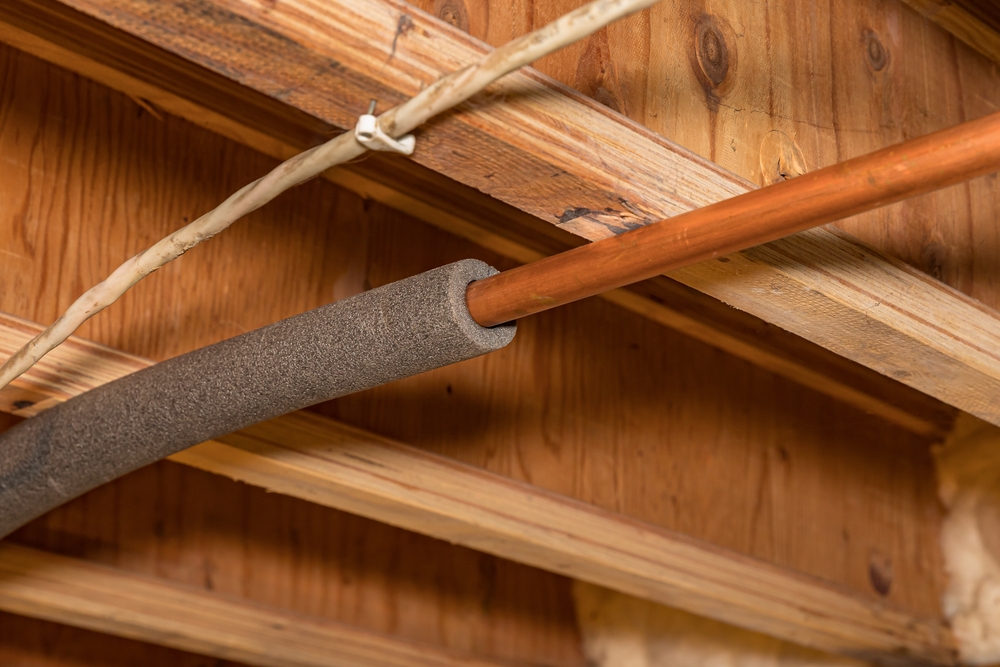
• Insulating exposed plumbing
• Maintaining consistent indoor temperatures
• Allowing faucets to drip during extreme cold
• Shutting off water to vacant properties
• Conducting regular plumbing inspections
Seasonal preparation is especially important for properties in colder regions or buildings with limited occupancy.
Why Professional Support Matters After a Pipe Burst
Burst pipe flood damage is often more complex than it appears. Hidden moisture, structural considerations, and insurance coordination all require experience and proper tools.
Professional support helps ensure that damage is fully identified, moisture is properly managed, and recovery efforts align with industry standards. This reduces the likelihood of recurring issues and supports long term property protection.
How EMRG Members Support Property Owners
EMRG members are vetted for their certifications, experience, and professional reputation, giving property owners confidence that they are working with qualified restoration professionals who meet established industry standards.
Beyond managing burst pipe flood damage, EMRG members understand how to support the insurance process by documenting damage properly and working alongside insurers where coverage applies. This helps reduce delays and uncertainty during recovery.
For support after a pipe burst, contact EMRG to access a trusted restoration professional in your area. Call us 24/7 at 1-844-344-3674.
Final Thoughts
Burst pipe flood damage can happen quickly and without warning, but informed action makes a meaningful difference. Understanding the causes, knowing what steps to take, and addressing damage properly can help protect both the structure and the long term value of a property.
Preparedness, timely response, and professional guidance are key to minimizing disruption and ensuring a thorough recovery.
When professional support is needed, EMRG helps property owners move forward with confidence by setting clear standards and providing access to qualified restoration professionals across Canada. Contact us 24/7 at 1-844-344-3674.
Related Blogs:
Should You Call Insurance or a Contractor First After Property Damage?
What to Do After a Flooded Basement: How to Restore Your Home
How Much Water Does It Take to Cause Damage to Your Property?


