
Why Water Damage Claims Get Delayed in Condos, Apartments, and Commercial Buildings
Posted March 29, 2026
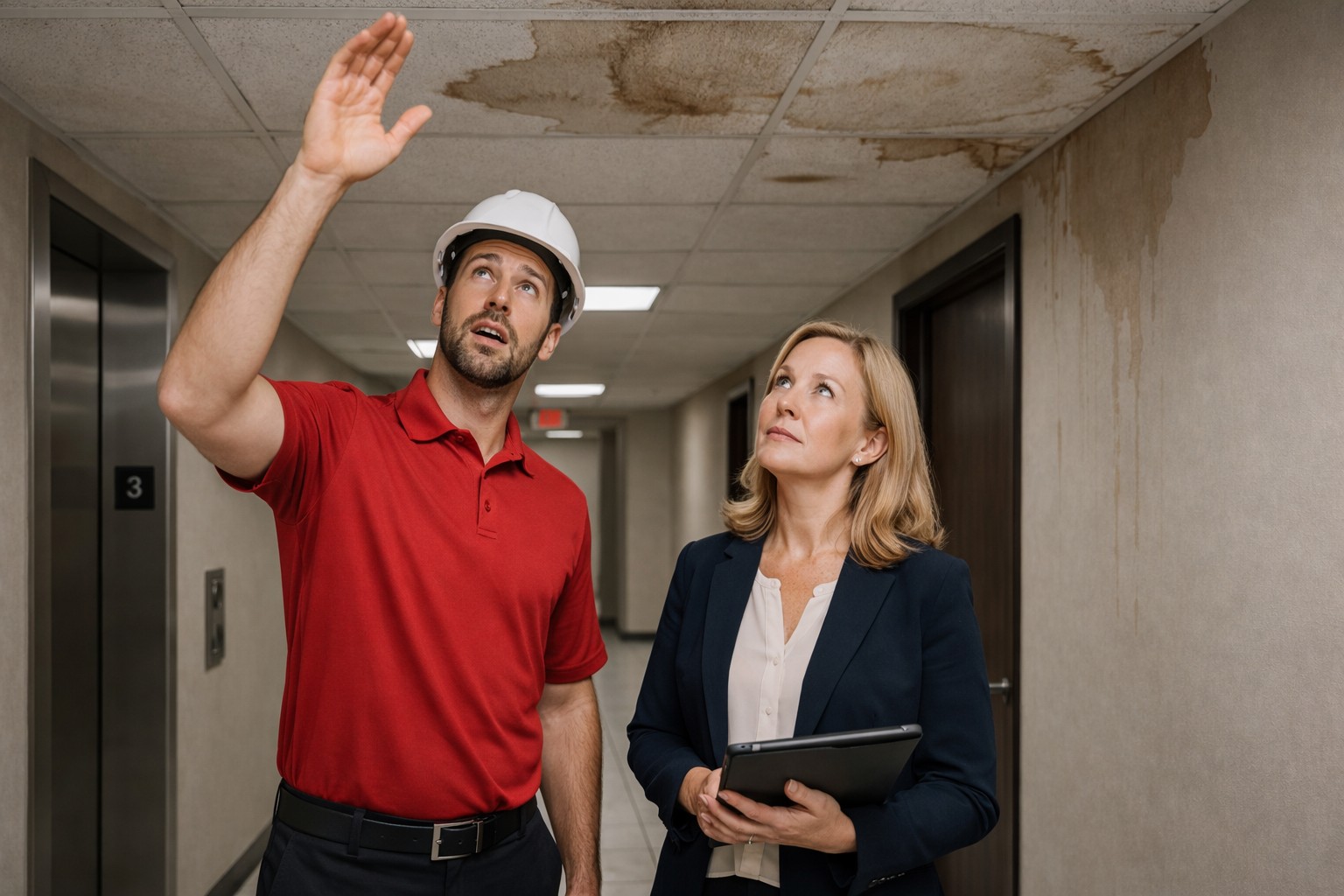
Water damage claims in larger buildings rarely stay simple for long. In a detached home, there is usually one owner, one policy, and one set of decisions to make. In a condo, apartment, or commercial property, the same loss can involve a unit owner, tenant, landlord, property manager, condo corporation, maintenance staff, multiple contractors, and more than one insurer. That is one reason these claims often take longer to sort out.
The delay is not always about whether damage exists. Often, the real issue is figuring out where the water came from, who is responsible for which part of the loss, what coverage applies, and whether the right steps were taken early on. In commercial claims, insurers may also require more formal documentation and, in some cases, a proof of loss.
That matters because water keeps moving even while questions are being sorted out. Flooring, drywall, insulation, contents, and building systems can all be affected while stakeholders are still trying to determine responsibility. This is where fast, organized mitigation makes a real difference, especially in shared and commercial buildings. EMRG members are available 24/7 across Canada to respond when immediate action is needed.
Why These Claims Are More Complex Than a Typical Home Claim
In condos, apartments, and commercial buildings, water often does not stay where it started. A leak may appear in one suite but originate in another. Water may enter through a roof assembly, travel through wall cavities, move along slab edges, or affect both tenant spaces and common areas before the source is confirmed. That creates a more complicated claim from the beginning.
Insurance responsibility can also be split. In Ontario condos, for example, corporations are generally responsible for repairing common elements and standard unit elements, while owners are generally responsible for decorative and non-standard unit elements, subject to the governing documents. Condo corporations are also required to carry insurance for the corporation’s insurable interests. Similar shared-responsibility issues arise in strata and multi-residential settings across Canada.
In commercial properties, the process can be more document-heavy. Business claims may require detailed lists of damaged property and a sworn proof of loss if requested. That is one more reason commercial water damage files can move more slowly than people expect.
Delayed Claim Versus Denied Claim
A delayed claim is not the same as a denied claim. A delay usually means the insurer is still reviewing the file, waiting for documents, confirming the source of loss, or determining which policy responds to which damage. In multi-party property losses, that extra review is common.
A denied claim is different. That usually means the insurer has determined that the loss is excluded, the required coverage was not in place, or the facts do not support coverage under the policy wording. For example, some types of water coverage, such as sewer backup or overland water, may depend on optional endorsements rather than being automatically included.
This article is focused on delays. In many building-related water losses, the problem is not that the claim is impossible. It is that the file becomes slow, fragmented, and difficult to move forward.
The Most Common Reasons Water Damage Claims Get Delayed in Larger Buildings
- The Source of the Water Is Not Immediately Clear
This is one of the biggest causes of delay. Water may show up in a tenant unit, but the origin could be a failed toilet supply line in the suite above, a roof leak, a mechanical room problem, a drain backup, or a common-element issue. Until the source is identified, insurers and property stakeholders may hesitate to finalize next steps.
This is where professional emergency response becomes important. A restoration team that documents affected areas, moisture conditions, and the visible path of water can help create clarity early. EMRG members are often called in during this stage to stabilize the property and support a more organized response.
- Too Many Parties Hold Different Pieces of the File
In a condo or apartment loss, one person may have the first photos, another may have the maintenance records, another may be waiting for access to a suite, and another may be handling insurance communication. In commercial buildings, there may also be tenants, facility teams, vendors, and operations staff involved.
When information is scattered, the claim slows down. The issue is not only the damage itself. It is the lack of one clean, reliable record of what happened and what was done in response.
- Responsibility Is Unclear
In shared buildings, repair responsibility and insurance responsibility are not always the same thing. Condo corporations are generally responsible for common elements and standard unit elements, while owners are generally responsible for decorative or non-standard unit elements, but the exact answer depends on the corporation’s governing documents.
That distinction matters after water damage. If stakeholders are unsure whether damage falls under the building, the unit, tenant improvements, contents, or common areas, the file can stall while everyone sorts out who is handling what.
- Documentation Is Incomplete
Insurers need facts, not assumptions. If the file lacks early photos, a timeline, contractor findings, mitigation records, or lists of affected contents and materials, there is less to support quick decisions. Standard claim handling depends on complete documentation, accurate timelines, and clear records of what was damaged and what action was taken.
In larger buildings, useful documentation often includes:
- Date and time the issue was discovered
- Initial photos and video
- Unit numbers or affected areas
- Reports from tenants or occupants
- Maintenance or plumbing findings
- Moisture mapping and drying records
- Emergency invoices and work authorizations
- Communication logs with managers, insurers, and contractors
A restoration contractor does not decide coverage, but strong documentation can help reduce friction. That is one reason EMRG members across Canada place so much emphasis on organized reporting during emergency response. Contact us at 1-844-344-3674 for professional support with the insurance restoration process for a multi-unit or commercial building.
- The Loss Was Not Reported Quickly Enough
When water damage is discovered late, the questions multiply. Insurers may need to determine what damage belongs to the original event and what developed afterward. Claims should be reported as soon as possible after discovery, with supporting information provided within the timelines required by the policy.
In condos, apartments, and commercial properties, late discovery is common. Vacant suites, locked service rooms, after-hours losses, and leaks in low-traffic areas can all allow damage to spread before anyone realizes what is happening.
- Emergency Mitigation Was Delayed
Water extraction, drying, and stabilization should not wait for every coverage question to be answered. Insurance policies generally expect reasonable steps to be taken, where safe, to prevent further damage after a loss is discovered.
If mitigation is delayed because approvals are pending, access is restricted, or stakeholders are still debating responsibility, the damage can grow. That often leads to a more expensive loss and a more difficult claim. Fast response is especially important when multiple units, shared walls, or occupied commercial areas are involved. EMRG members are available 24/7 because the first phase of a water loss is often the most important.
- Access Problems Slow the Investigation
A claim can stall simply because key areas cannot be reached. In multi-unit buildings, units may be locked, tenants may be away, and common service areas may require special access. In commercial properties, operational areas may be sensitive, occupied, or difficult to shut down quickly.
When contractors, adjusters, or maintenance teams cannot inspect the right spaces promptly, source confirmation and damage mapping take longer.
- The Damage Involves Both Common Areas and Private Spaces
This is another frequent delay point in condo and apartment claims. Water may affect hallways, corridors, service spaces, and building components while also damaging contents or finishes inside a unit. The division between common elements, standard units, and owner upgrades can make the claim more complex.
The more mixed the damage is, the more important it becomes to keep the facts organized from the start.
- The Loss Looks Gradual Instead of Sudden
Standard property coverage treats sudden accidental water damage differently from gradual deterioration, repeated seepage, or maintenance-related issues. Certain sudden water losses may be covered, while gradual damage and preventable deterioration are treated differently.
If the site shows staining, repeated moisture, older damage, mould, rot, or signs of a long-running issue, the insurer may take more time to review the file. In building claims, that extra scrutiny can slow everyone down.
- The Policy Wording Still Needs to Be Reviewed
Some types of water damage depend on the specific coverage purchased. Sewer backup and overland water are common examples that may require optional coverage, depending on the policy.
In commercial claims, there may also be questions about tenant improvements, stock, equipment, extra expense, and the exact scope of insured property. Until those details are reviewed, the claim may not move as quickly as the parties would like.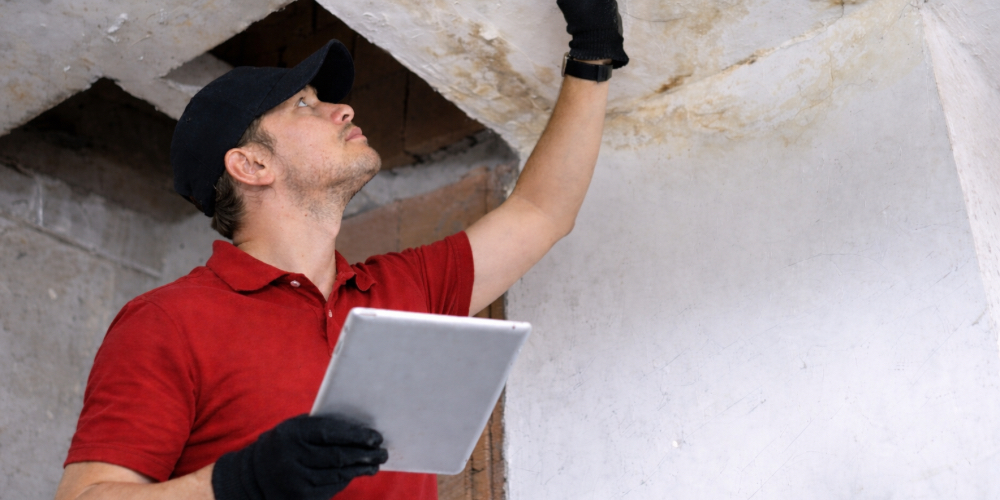
What Property Managers and Facility Managers Can Do to Reduce Delays
Claims move better when building-side records are clear. Property managers and facility teams can make a major difference by creating one reliable file early.
Helpful steps include:
- Record when and where the damage was first discovered
- Keep photos and video from the earliest stage possible
- Note who was notified and when
- Preserve maintenance findings and vendor reports
- Track access issues and affected units
- Keep emergency invoices and work authorizations together
- Centralize communication through one point person where possible
This approach supports both restoration and insurance handling. It also reduces the confusion that often comes with multi-party losses.
Why Early Restoration Support Matters
In larger buildings, delays often happen because everyone is focused on responsibility before the property has been fully stabilized. That is understandable, but it can be costly. Emergency mitigation helps limit the spread of water, preserve evidence of the loss, and create better documentation for everyone involved.
That is where EMRG members add value. They understand the urgency of water damage in condos, apartments, and commercial buildings. They help property owners, managers, and building teams respond quickly, document conditions clearly, and move the site toward recovery without losing control of the facts.
Why Call EMRG for Condo, Apartment, or Commercial Water Damage
These losses need more than basic cleanup. They need coordination, documentation, and a team that understands how fast water can affect occupied spaces, shared systems, tenant operations, and multiple stakeholders.
An EMRG member can help by:
- Responding 24/7 to urgent water losses
- Stabilizing the property quickly
- Supporting source investigation and damage documentation
- Coordinating emergency mitigation in shared or commercial spaces
- Helping reduce confusion at the earliest stage of the loss
- Supporting property managers and owners through a more organized recovery process
For building-related water damage, the right restoration partner can save time in more ways than one. They can help reduce physical damage, protect affected areas sooner, and create the kind of records that help keep the claim from drifting.
If you need urgent help with water damage in a condo, apartment building, or commercial property in Canada, EMRG is available 24/7 at 1-844-344-3674.
Final Thoughts
Water damage claims in condos, apartments, and commercial buildings are often delayed for practical reasons. The source is unclear. Responsibility is split. Records are incomplete. Access is limited. Mitigation was delayed. Or the damage affects both common and private spaces at the same time.
The best way to reduce those delays is simple in principle, even if the loss itself is complex. Act quickly. Document early. Keep the file organized. Get the property stabilized. Bring in qualified restoration support before the situation becomes harder to control.
When a water loss affects a larger building, EMRG members are ready to respond. For 24/7 emergency assistance anywhere in Canada, call 1-844-344-3674.
FAQ: Water Damage Claims in Condos, Apartments, and Commercial Buildings
Why do condo water damage claims take so long?
They often involve multiple parties, split responsibilities, and questions about whether damage affects common elements, standard unit elements, owner upgrades, or contents.
Can a commercial water damage claim be delayed because of missing records?
Yes. Commercial claims often require more detailed documentation, and insurers may request further records before the file can move forward.
Should emergency drying wait until the adjuster arrives?
Usually not. In most cases, property owners are expected to take reasonable steps, where safe, to prevent further damage once a loss is discovered.
Does the building’s policy cover everything inside a condo unit?
Not necessarily. Corporations generally insure common elements and standard unit elements, while owners are generally responsible for decorative and non-standard unit elements, subject to the governing documents.
Why does the source of water matter so much?
Because coverage often depends on how the damage happened. Different policy terms can apply to sudden internal water escape, sewer backup, overland water, and gradual deterioration.
When should property managers call a restoration contractor?
As soon as there is active water intrusion, spreading damage, uncertainty about the extent of affected areas, or a need for immediate stabilization and documentation. Early response helps protect both the property and the file.
Related Blogs
Emergency Planning for Commercial and Multi-Unit Residential Buildings
How to Make a Successful Water Damage Insurance Claim in Canada
What to Do When Your Rental Property Floods in Canada