
Black Water Damage: Causes, Risks, and How to Clean It Properly
Posted March 11, 2026
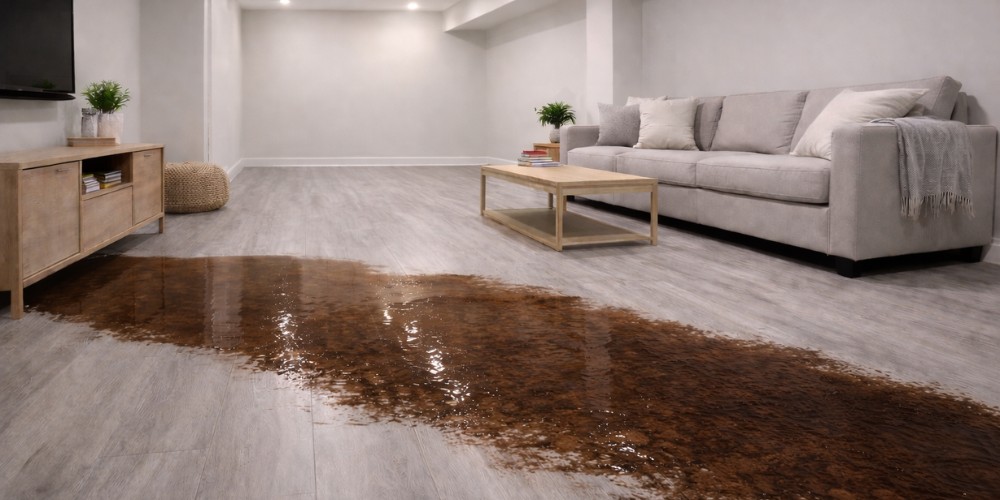
When water enters a property, not all water damage carries the same level of risk. In the restoration industry, black water damage is considered the most hazardous form of water intrusion because it involves highly contaminated water that can threaten both property and health. Whether it comes from a sewage backup, floodwater entering a building, or wastewater from a plumbing failure, black water requires immediate attention and the right professional response.
Unlike clean water losses, black water contains harmful contaminants that can quickly spread through flooring, drywall, structural materials, and contents. Delaying action can make the damage more extensive and significantly increase the health concerns for anyone exposed to the affected area.
Understanding what black water damage is, where it comes from, and why professional cleanup matters can help property owners, managers, and business operators respond properly when contamination occurs.
What Is Black Water Damage?
Black water damage refers to water intrusion involving heavily contaminated water that contains harmful bacteria, viruses, parasites, and other biological hazards. In professional restoration standards, this is classified as Category 3 water, which is the highest contamination level.
This type of water is unsafe because it often contains materials that can cause illness after direct contact, inhalation, or exposure to contaminated surfaces.
Black water may appear dark, murky, or foul-smelling, but appearance alone does not determine whether water is black water. Even water that looks relatively clear can still be classified as highly contaminated depending on the source.
Examples of black water include:
- Sewage entering a building from a drain backup
- Floodwater carrying soil, debris, chemicals, and bacteria
- Toilet overflow containing waste contamination
- Water from external flooding that has mixed with pollutants
Once black water enters a structure, contamination can spread quickly into porous materials, making fast professional intervention critical.
Common Causes of Black Water Damage
Black water damage can develop in both residential and commercial properties, often without warning. Some causes are sudden, while others begin with plumbing issues that escalate over time.
Sewage Backups
One of the most common causes of black water damage is a sewage backup. This happens when wastewater cannot flow properly through the drainage system and is forced back into sinks, floor drains, toilets, or lower-level fixtures.
Sewage backups can result from:
- Blocked sewer lines
- Tree root intrusion into underground piping
- Municipal sewer overload during heavy rainfall
- Pipe collapses or severe blockages
Because sewage contains human waste and harmful microorganisms, affected areas must be treated as contaminated immediately.
Floodwater Entering From Outside
Floodwater is often classified as black water because it typically carries contaminants collected as it moves through streets, soil, and surrounding areas before entering a structure.
This may happen during:
- Heavy rain events
- River overflow
- Surface water pooling near foundations
- Storm-related flooding
Floodwater often contains bacteria, fuel residue, chemicals, and debris that create serious contamination concerns inside a building.
Toilet Overflows With Contamination
A toilet overflow becomes black water when wastewater or sewage is involved. If contaminated water spreads onto flooring, baseboards, or nearby materials, those surfaces may require professional treatment or removal.
Standing Water That Has Become Contaminated
Even water that originally began as clean water can become hazardous if left untreated for too long. Once standing water sits for an extended period, especially in warm indoor conditions, contamination levels can rise quickly.
This is why an immediate response is so important after any water loss, before conditions worsen. EMRG provides 24/7 emergency service across Canada for black water damage, helping connect property owners with trusted restoration professionals for safe and effective recovery. Contact us at 1-844-344-3674.
Why Black Water Damage Is So Dangerous
Black water is not simply a moisture problem. It is a contamination event that requires proper safety controls.
Exposure to black water can introduce harmful microorganisms into occupied spaces. The risk increases when contaminated water is absorbed into materials that are difficult to disinfect completely.
Health risks may include:
- Bacterial infections
- Respiratory irritation
- Gastrointestinal illness
- Skin irritation
- Exposure to airborne contaminants during cleanup
Children, seniors, and anyone with compromised immunity may face higher risk in contaminated environments.
Once materials begin drying improperly, contaminants can remain embedded inside surfaces, which is why professional cleaning standards are essential.
Materials Often Affected Beyond Recovery
Not every material exposed to black water can be saved. Porous materials often absorb contamination deeply enough that cleaning alone is not sufficient.
Materials frequently requiring removal include:
- Drywall
- Insulation
- Carpet
- Carpet underpad
- Upholstered furniture
- Particle board cabinetry
- Ceiling tiles
In many cases, restoration professionals must remove affected sections to prevent contamination from remaining inside the building.
Harder surfaces such as tile, concrete, and some structural framing may be salvageable if addressed quickly and cleaned properly.
What To Do Immediately After Black Water Enters a Property
The first response to black water damage should always focus on safety.
Avoid Direct Contact
Do not walk through contaminated water unless absolutely necessary. Foot traffic can spread contamination into unaffected areas.
Keep Occupants Away
Restrict access to the affected area, especially for children, pets, tenants, or staff.
Stop the Source if Safe
If the water source can be stopped safely, such as shutting off a fixture or isolating a plumbing issue, this can help reduce further spread.
Avoid DIY Cleanup
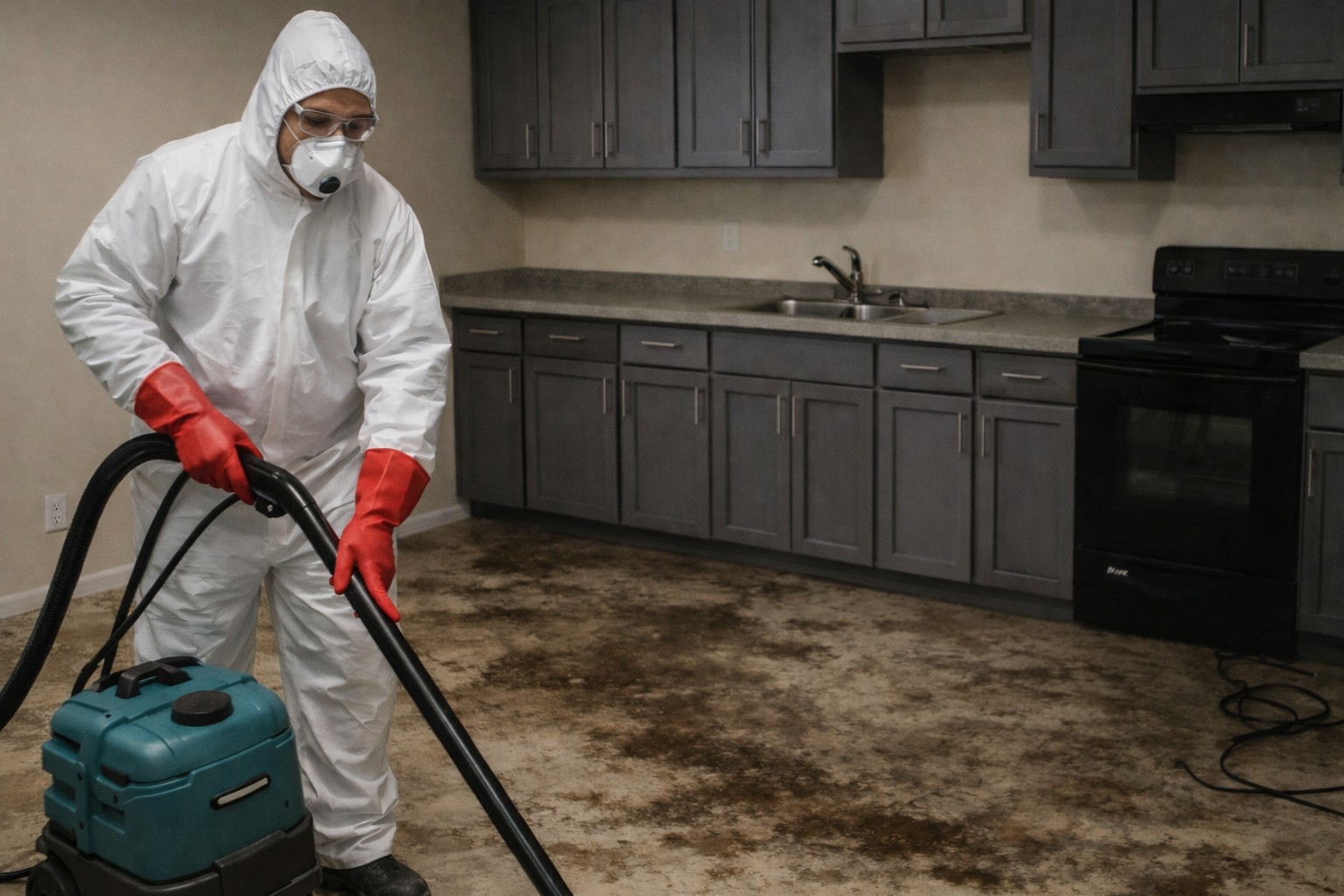
Black water cleanup requires proper personal protective equipment, containment methods, and sanitation procedures. Household cleaning products alone are not enough to make contaminated materials safe.
Document the Damage
Take photos of affected areas for insurance purposes before major cleanup begins.
Quick action matters because contamination spreads further with every hour the water remains in place.
How Black Water Damage Is Cleaned Properly
Black water cleanup follows a strict professional process designed to remove contamination safely and reduce long-term property damage.
Inspection and Contamination Assessment
Professionals first determine the source, extent, and classification of the water damage.
Containment of the Affected Area
Containment barriers help prevent contamination from spreading to unaffected rooms or building sections.
Removal of Unsalvageable Materials
Contaminated porous materials are removed and safely disposed of according to restoration standards.
Water Extraction
Specialized extraction equipment removes standing water quickly to reduce saturation.
Deep Cleaning and Disinfection
Professional-grade antimicrobial treatments are applied to affected surfaces.
Drying and Moisture Monitoring
Industrial drying equipment is used to remove hidden moisture from structural materials.
Verification of Dry Conditions
Moisture readings help confirm that materials are properly dried before rebuilding begins.
This level of cleaning is why certified restoration professionals are necessary for black water losses.
Why Fast Response Is Critical
Black water damage becomes more difficult to control as time passes.
A delayed response can lead to:
- Wider contamination spread
- Strong odours
- Increased material removal
- Higher restoration costs
- Secondary mould growth
The longer contaminated water remains in contact with building materials, the more invasive the restoration process often becomes.
This is why many EMRG members across Canada operate with emergency readiness and rapid deployment capabilities. Call us 24/7 at 1-844-344-3674.
Can Insurance Cover Black Water Damage?
Insurance coverage depends on the source of the loss and the policy details.
Coverage may apply in some situations involving sudden accidental sewage backup if sewer backup protection is included in the policy.
Flood-related black water losses may require separate flood coverage depending on the insurer and policy type.
Property owners should document damage immediately and notify their insurer as early as possible.
Working with experienced restoration contractors can also help provide clear documentation of the affected areas.
Why Working With Professional Restoration Contractors Matters
Black water losses involve more than drying out a property. Proper restoration requires understanding contamination control, safe removal procedures, moisture mapping, and rebuilding readiness.
Professional restoration contractors help ensure:
- Contaminated materials are identified correctly
- Hidden moisture is located
- Drying is complete before repairs begin
- Occupants can safely return when work is finished
This level of expertise protects both health and long-term property performance.
Why Property Owners Across Canada Turn to EMRG Members
When black water damage occurs, response time and experience matter.
EMRG connects property owners, businesses, insurers, and property managers with trusted restoration professionals across Canada who understand how to handle contaminated water losses safely and efficiently.
EMRG members are selected based on proven standards, certifications, and professional performance in the restoration industry. They are equipped to respond to complex water losses, including sewage contamination, flood damage, and hazardous moisture events.
Working with an EMRG member means access to contractors who understand:
- Emergency containment
- Safe contaminated material removal
- Proper sanitation protocols
- Moisture control and structural drying
- Efficient coordination during urgent losses
Because black water damage often requires immediate action at any hour, EMRG support is available 24/7.
Whether the issue affects a home, multi-unit property, commercial building, or large loss environment, EMRG helps connect you with experienced professionals who can respond quickly and correctly.
For immediate assistance or to connect with a trusted restoration professional, call EMRG at 1-844-344-3674 anytime, day or night.
Final Thoughts
Black water damage should never be treated like an ordinary water loss. The contamination risks are serious, the damage spreads quickly, and improper cleanup can leave unsafe conditions behind.
Knowing when to act and who to call can make the difference between controlled restoration and a much larger recovery.
When contaminated water affects a property, professional response is the safest path forward, and EMRG members across Canada are ready to help whenever urgent support is needed.
Related Blogs:
Water Leaking Into Basement After Heavy Rain: Causes and Solutions
Water Damage Restoration: Use Insurance or Pay Out of Pocket?


