
Water Leaking Into Basement After Heavy Rain: Causes and Solutions
Posted March 4, 2026
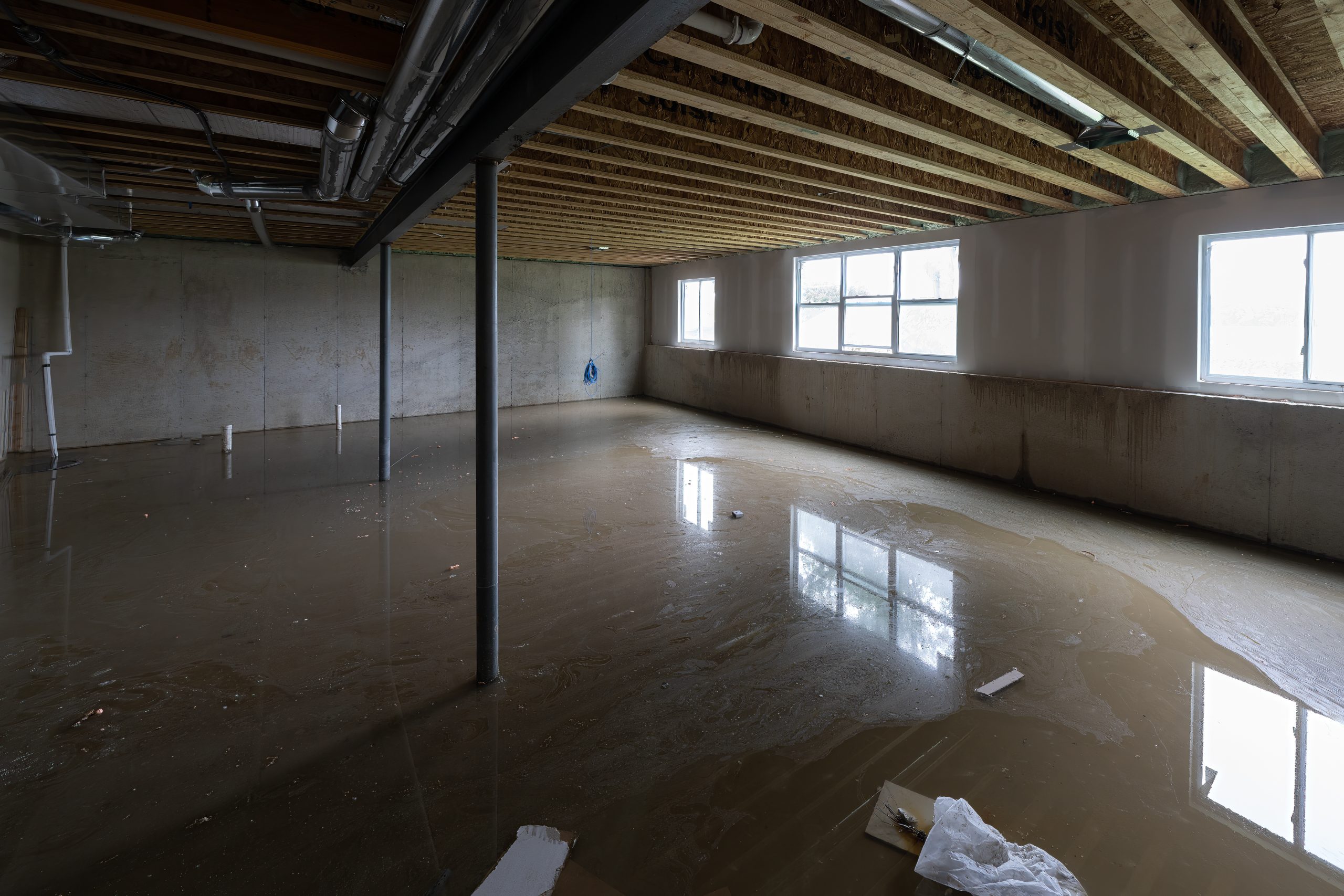
Heavy rain can turn into a serious problem for homeowners across Canada. One of the most common calls restoration contractors receive is about water leaking into a basement after a storm. Sometimes it starts as a small puddle along one wall. Other times, homeowners walk downstairs to find soaked carpet, wet drywall, and a musty smell that was not there before.
Basement water leaks are not random. They happen for specific reasons. Understanding those causes is the first step toward stopping the damage and preventing it from happening again. In this guide, we will explain why basements leak after heavy rain, where the water typically enters, what to do immediately, and how to fix the issue properly. We will also explain when it is time to involve a professional restoration contractor.
Basement leaks are common across Canada due to freeze thaw cycles, soil conditions, and intense seasonal rainfall. The good news is that they can be managed with the right approach.
Why Basements Leak After Heavy Rain
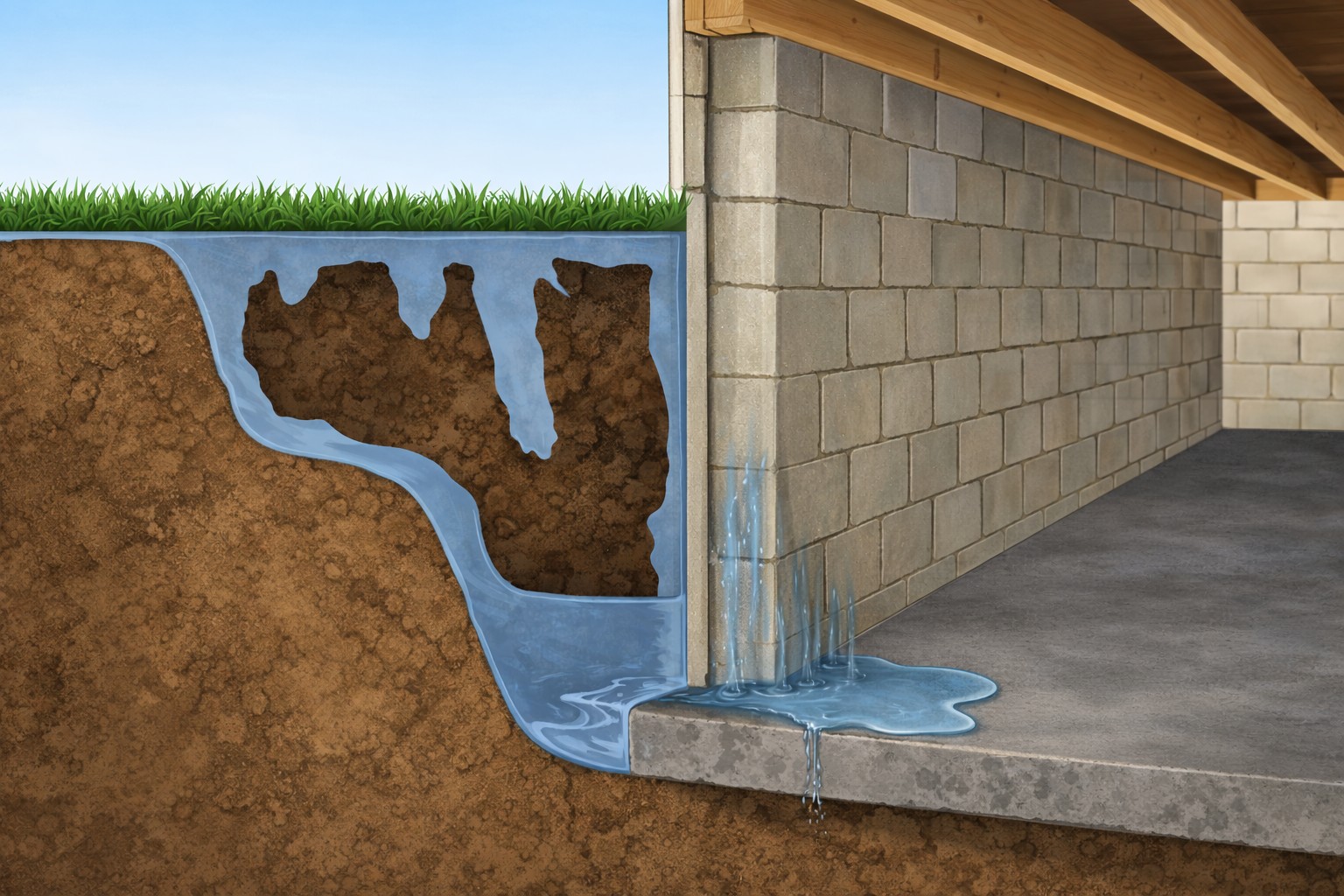
When soil around a home becomes saturated, pressure builds against the foundation walls. This is known as hydrostatic pressure. It is one of the leading causes of water leaking into basements after heavy rain.
Hydrostatic Pressure
After prolonged rainfall, the ground surrounding a foundation fills with water. As the soil becomes saturated, it expands and exerts pressure against concrete walls and footings. Water will always follow the path of least resistance. Even small cracks or weak points can allow moisture to push through.
Hydrostatic pressure is especially common in areas with clay soil. Clay holds water longer than sandy soil, which increases pressure against foundations.
Poor Exterior Drainage
Improper grading around the home is another major factor. If the ground slopes toward the foundation instead of away from it, rainwater collects near the base of the walls. Over time, this can lead to leaks.
Common drainage problems include:
- Downspouts that discharge too close to the foundation
- Clogged gutters that overflow
- Settled soil that creates low spots
- Blocked or failed weeping tile systems
These issues are preventable with proper maintenance and inspection.
Aging Foundations
Older homes may not have modern waterproofing membranes. Concrete can deteriorate over time. Mortar joints weaken. Weeping tile systems from decades ago may be partially blocked or collapsed.
As homes age, small vulnerabilities become more significant during heavy rain events.
The Most Common Entry Points for Water
When water leaks into a basement, it typically enters through predictable areas.
Foundation Cracks
Vertical cracks are common in poured concrete foundations. While not all cracks are structural, they can allow water to pass through during heavy rain.
Horizontal cracks are more serious and may indicate structural stress. These should be inspected by a professional.
Basement Windows and Window Wells
Improperly sealed basement windows are frequent sources of leaks. Window wells can also fill with water if drainage is blocked. When water rises above the window frame, it can seep inside quickly.
Weeping Tile and Perimeter Drain Failure
Weeping tile systems are designed to redirect groundwater away from the foundation. If they become clogged with sediment or roots, water builds up along the walls.
When this system fails, leaks often occur along the floor wall joint.
Sump Pump Failure
Sump pumps are critical during heavy rain. If the pump fails due to power loss or mechanical issues, water can accumulate rapidly.
A battery backup system can prevent major flooding during storms.
Utility Penetrations
Water can also enter through gaps around plumbing pipes, electrical conduits, and cable lines that pass through foundation walls.
Warning Signs Before a Major Leak Happens
Many basement leaks are preceded by subtle warning signs.
- Musty odours in the basement
- White powder residue on concrete walls
- Damp carpet edges
- Peeling paint near the floor
- Minor water spots after previous storms
Addressing these early signs can prevent larger restoration costs later.
If you notice recurring dampness after rain, it is wise to have the area assessed before a major event occurs.
What To Do Immediately If Water Is Leaking Into Your Basement
Quick action limits damage.
Ensure Safety
If there is standing water, be cautious. Water and electricity are a dangerous combination. If water levels are significant, avoid entering the area until power is safely disconnected.
Identify the Source
Check sump pump operation. Ensure gutters and downspouts are not overflowing. Look for obvious cracks or window well issues.
Remove Standing Water
For minor water accumulation, a wet dry vacuum may help. However, larger volumes require professional extraction equipment.
Begin Drying
Air circulation is essential. Open windows if weather permits. Use fans to promote airflow. Keep in mind that surface drying is not enough if drywall or insulation is saturated.
Professional restoration contractors use moisture meters and thermal imaging to detect hidden water. This prevents mould growth and structural deterioration.
EMRG members respond quickly to heavy rain events across Canada, providing professional water extraction and drying services to limit long term damage. Contact EMRG 24/7 at 1-844-344-3674.
Document the Damage
Take clear photos and videos. Contact your insurance provider to understand your coverage. Policies vary, especially regarding sewer backup and overland water endorsements.
When To Call a Professional Restoration Contractor
You should contact a professional if:
- Water has spread beyond a small isolated area
- Drywall, insulation, or flooring is wet
- There is visible mould or strong odours
- The leak has happened more than once
- Structural cracks are visible
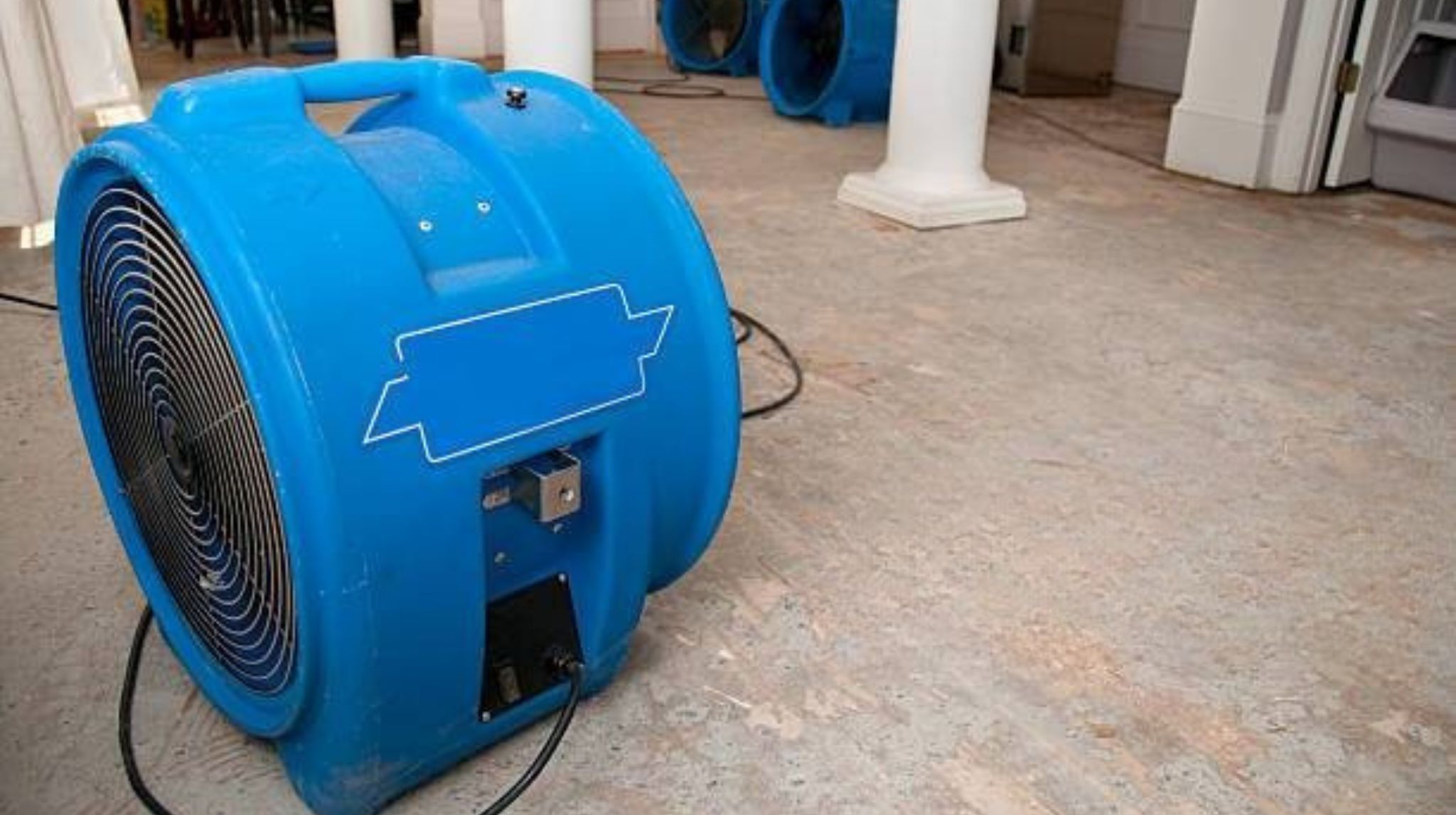
Professional drying equipment includes commercial air movers and dehumidifiers designed to remove moisture from framing and subfloors. Incomplete drying can lead to mould within 24 to 48 hours under the right conditions.
EMRG connects property owners with reputable certified restoration contractors who follow industry standards and best practices. Fast response makes a measurable difference in repair costs.
For immediate assistance across Canada, EMRG can be reached 24 hours a day at 1-844-344-3674.
Long Term Solutions To Prevent Basement Leaks
Stopping the water permanently requires addressing the root cause.
Improve Grading
Ensure soil slopes away from the foundation. Adding topsoil and compacting it properly can redirect surface water.
Extend Downspouts
Downspouts should discharge several feet away from the home. Extensions are inexpensive and effective.
Upgrade Sump Systems
Install a battery backup pump. Consider adding a secondary pump in high risk areas.
Repair Foundation Cracks
Professional crack injection using epoxy or polyurethane can seal active leaks. Larger structural issues may require exterior excavation.
Exterior Waterproofing
In severe cases, exterior waterproofing may be necessary. This involves excavating around the foundation, applying waterproof membranes, and installing proper drainage systems.
Interior Drainage Systems
Interior perimeter drainage systems can redirect water to a sump basin when exterior solutions are not feasible.
Addressing these issues proactively reduces the likelihood of repeat leaks.
Does Insurance Cover Basement Water Leaks In Canada
Coverage depends on the cause of the leak.
Sewer backup coverage is typically optional and must be added as an endorsement. Overland water coverage is also separate from standard policies. Groundwater seepage may not be covered unless sudden and accidental.
It is important to review your policy before a storm event occurs.
Restoration contractors who are experienced with insurance claims can help document damage properly. EMRG members work with insurers and adjusters across Canada to streamline the claims process and ensure accurate scope assessment.
The Risk Of Ignoring Basement Water
Ignoring water leaks can result in:
- Mould growth
- Wood rot
- Damaged electrical systems
- Reduced property value
- Ongoing structural deterioration
Even small leaks can lead to extensive reconstruction if left untreated.
Frequently Asked Questions About Water Leaking Into Basements After Heavy Rain
Why does my basement only leak during heavy rain and not at other times?
When a basement leaks only during heavy rainfall, it usually indicates a surface water or hydrostatic pressure issue rather than a plumbing problem. During intense storms, soil becomes saturated and groundwater levels rise. This increases pressure against foundation walls. If there are cracks, weak seals, or drainage deficiencies, water can enter under these high pressure conditions but remain dry during normal weather.
Can clogged gutters really cause basement leaks?
Yes. Clogged gutters can overflow and dump large volumes of water directly beside the foundation. Over time, this increases soil saturation around the home. If downspouts also discharge too close to the house, the risk becomes even greater. Keeping gutters clean and extending downspouts is a simple but effective prevention step.
Is it normal for older homes in Canada to have occasional basement seepage?
Older homes built before modern waterproofing standards are more vulnerable to seepage. However, regular water intrusion should never be considered normal. Even minor recurring leaks can lead to mould growth and structural damage. A professional assessment can determine whether improvements to drainage or waterproofing are needed.
How do I know if the leak is coming from the roof or the foundation?
Water from the roof typically shows up after rain but may appear higher on walls or ceilings, especially if it travels down framing. Foundation leaks usually appear at the base of walls or along the floor wall joint. A professional inspection using moisture detection equipment can confirm the true source.
Will sealing a crack from the inside permanently fix the problem?
Interior crack injection can be effective for active leaks if performed properly. However, if hydrostatic pressure remains high or exterior drainage issues are not addressed, new cracks may form elsewhere. A complete evaluation should consider both interior repair and exterior water management.
Does finishing a basement increase the risk of damage from leaks?
Finished basements do not increase the likelihood of leaks, but they significantly increase the cost of damage when leaks occur. Drywall, insulation, flooring, and built in cabinetry can absorb moisture quickly. Early detection and rapid response are especially important in finished spaces.
Should I have my basement inspected even if I have never had a leak?
Preventative inspections are recommended, especially in areas prone to heavy rain or snowmelt. Identifying minor cracks, grading problems, or sump pump issues before a major storm can prevent costly restoration work later.
How EMRG Helps Property Owners Across Canada
Elite Mitigation and Restoration Group (EMRG), is Canada’s national network of independently owned, certified full service restoration contractors.
When heavy rain leads to water leaking into a basement, EMRG provides:
- Centralized national intake
- 24 hour emergency response
- Vetted local contractors
- Consistent service standards
- Support for homeowners, property managers, and insurers
Instead of searching for an unknown contractor during a stressful situation, property owners can rely on a trusted network with established industry credentials.
Every EMRG member is independently owned and operated, but aligned under strict professional standards. This ensures consistent quality whether the property is in a major city or a smaller community.
If water is leaking into your basement after heavy rain, do not wait. Fast action reduces damage and cost.
Call EMRG at 1-844-344-3674 for 24 hour emergency assistance anywhere in Canada. You will be connected with a certified local restoration contractor who can assess the situation, stop the damage, and guide you through the recovery process.
Basement leaks are common, but they are manageable with the right expertise. Professional response, proper drying, and long term prevention strategies make all the difference.
Related Blogs:
What to Do After a Flooded Basement: How to Restore Your Home
Water Damage Restoration: Use Insurance or Pay Out of Pocket?