
How to Make a Successful Water Damage Insurance Claim in Canada
Posted February 4, 2026
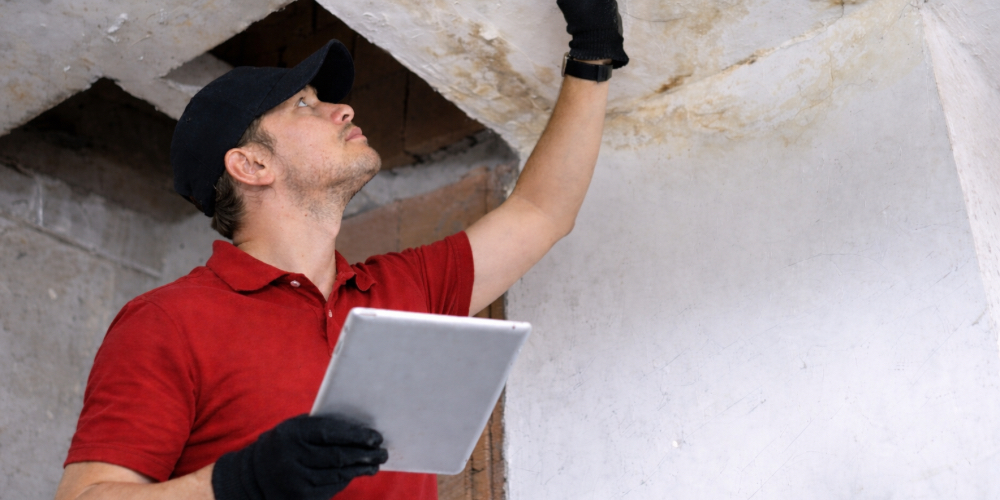
Water damage is one of the most common insurance claims across Canada. From burst pipes in winter to appliance failures and severe storms, property owners face water losses every year. While insurance is designed to help protect you financially, many claims become stressful due to delays, missing documentation, or misunderstandings about coverage.
The reality is that successful water damage insurance claims usually come down to three things: fast action, proper documentation, and working with experienced professionals who understand both restoration and the insurance process.
Many property owners do not realize that the steps taken in the first few hours after water damage can directly affect whether a claim is approved, reduced, or disputed. This guide explains how to protect your property and improve your chances of a smooth claim process in Canada.
When water damage happens, many property owners rely on experienced restoration professionals such as EMRG members to help document damage properly and support the claim process from day one.
Why Water Damage Insurance Claims Get Denied or Reduced in Canada
Insurance companies in Canada evaluate water damage claims carefully. Most denials or reductions happen for preventable reasons.
Common reasons claims are reduced or denied include:
- Delayed reporting of the loss
- Poor or missing documentation
- Damage caused by long term leaks or maintenance issues
- Failure to take reasonable steps to prevent further damage
- Disposal of damaged materials before inspection
Insurance policies are designed to cover sudden and accidental events. If damage appears to have developed over time, insurers may classify it as maintenance related rather than an insurable event.
Professional restoration companies often provide detailed reporting, moisture mapping, and photo documentation that can help support the legitimacy and scope of a claim.
Step by Step: How to Make a Successful Water Damage Insurance Claim
Step 1: Stop the Source of Water
If safe to do so, shut off the main water supply or stop the source of intrusion. Preventing further damage protects your property and shows the insurer you acted responsibly.
Step 2: Document Everything Immediately
Take photos and videos before moving items or starting cleanup. Document:
- Standing water
- Wet flooring and drywall
- Damaged furniture and contents
- Water source location
- Any visible mould or staining
Step 3: Contact Your Insurance Company Quickly
Report the loss as soon as possible. Provide:
- Date and time damage was discovered
- Suspected cause
- Photos or videos if available
- Actions taken to stop damage
Step 4: Start Emergency Mitigation
Insurance policies typically require property owners to prevent further damage. This can include:
- Water extraction
- Drying with professional equipment
- Temporary repairs to protect the structure
Professional mitigation also creates documentation that insurers rely on when reviewing claims.
Step 5: Work With Qualified Restoration Professionals
Certified restoration companies perform moisture inspections, create drying plans, and produce documentation that supports claim accuracy. This often reduces disputes and helps ensure hidden damage is addressed.
EMRG supports homeowners across Canada. Our members are insurance restoration specialists experienced in documenting damage, supporting claims, and restoring properties to pre-loss condition. Contact us 24/7 at 1-844-344-3674.
Do Home Insurances Cover Water Damage in Canada?
Many Canadian home insurance policies cover water damage caused by sudden and accidental events. However, coverage depends on the source of water and specific policy endorsements.
Typically covered situations may include:
- Burst pipes
- Washing machine or dishwasher failures
- Sudden plumbing failures
- Storm related interior water entry
Often not covered unless additional endorsements are purchased:
- Sewer backup
- Overland flooding
- Groundwater seepage
- Long term slow leaks
Policy wording varies between insurers, so reviewing coverage details before a loss occurs is important.
Is It Worth Claiming on Home Insurance After Water Damage?
Not every water damage situation should automatically become an insurance claim. Consider:
- Your deductible amount
- Estimated repair cost
- Claim history impact
- Risk of hidden moisture or mould
- Type of water involved
Professional inspection can help determine the true extent of damage. What looks minor on the surface can sometimes involve moisture behind walls, under flooring, or inside insulation.
Many property owners consult restoration professionals first to understand damage severity before deciding whether to file a claim.
What Not to Do When Making a Water Damage Insurance Claim
Avoiding common mistakes can protect your claim outcome.
Do not:
- Throw away damaged materials before documentation
- Wait days to report the loss
- Attempt major repairs before insurer direction
- Ignore wet materials assuming they will dry naturally
- Assume visible damage is the full extent of the problem
Improper early cleanup can remove evidence insurers need to validate the claim.
How Restoration Documentation Supports Your Insurance Claim
Professional restoration documentation provides third party verification of damage and drying progress.
This may include:
- Moisture mapping reports
- Equipment and drying logs
- Daily progress photos
- Material removal records
- Final drying verification reports
This level of documentation helps demonstrate that damage was properly assessed and mitigated.
EMRG members follow industry standards that help create consistent reporting insurers recognize and trust. Contact us for 24/7 support at 1-844-344-3674.
Understanding the Insurance Adjuster and Restoration Contractor Relationship
Insurance adjusters and restoration contractors serve different roles but often work together.
Insurance adjuster responsibilities include:
- Determining policy coverage
- Reviewing repair costs
- Approving scopes of work
Restoration contractor responsibilities include:
- Assessing damage conditions
- Performing emergency mitigation
- Completing restoration work
- Providing documentation and reporting
Clear communication between both parties helps reduce claim delays.
How Long Do Water Damage Insurance Claims Take in Canada?
Claim timelines vary depending on damage severity and insurer processes.
Typical timeline phases:
- Initial emergency response: Same day to 48 hours
- Inspection and documentation: Several days
- Drying and mitigation: 3 to 7 days for most losses
- Repair approvals and rebuild: Several weeks to months
Severe or large losses may take longer.
When to Call a Restoration Company vs Waiting for Insurance Direction
Emergency mitigation should not be delayed while waiting for an adjuster. Most insurance policies require reasonable steps to prevent further damage.
Immediate professional drying can:
- Reduce structural damage
- Lower repair costs
- Reduce mould risk
- Strengthen claim documentation
Experienced restoration companies understand how to document work properly for insurance review.
Tips From Canadian Restoration Professionals for Stronger Claim Outcomes
- Keep damaged materials until disposal is approved
- Save receipts for emergency expenses
- Track all conversations with insurers
- Ask questions if scope details are unclear
- Ensure final drying verification is completed
How EMRG Members Support Property Owners During Water Damage Claims
EMRG members are vetted independent restoration professionals located across Canada who follow consistent industry standards and documentation practices.
Property owners and insurers benefit from:
- Certified restoration expertise
- Detailed reporting that supports claims
- Experience working with Canadian insurance carriers
- Ability to respond quickly during emergencies
- Support for residential, commercial, and large loss events
EMRG members specialize in insurance restoration, working closely with adjusters, providing detailed documentation, and helping ensure repairs are completed to insurer-approved standards.
Final Thoughts: Protecting Your Property and Your Insurance Claim Outcome
Water damage insurance claims are often successful when property owners act quickly, document thoroughly, and involve experienced professionals early.
Understanding your policy, preventing further damage, and working with qualified restoration experts can significantly reduce stress and uncertainty during the claims process.
If you are dealing with water damage and need guidance, EMRG members are available 24 hours a day to support property owners, property managers, and businesses across Canada. Contact us at 1-844-344-3674.
Related Blogs:
Should You Call Insurance or a Contractor First After Property Damage?
How to Choose the Right Water Damage Mitigation Company
What to Do After a Flooded Basement: How to Restore Your Home
How Much Water Does It Take to Cause Damage to Your Property?