
Emergency Planning for Commercial and Multi-Unit Residential Buildings
Posted January 5, 2026

Emergency planning is a critical responsibility for organizations that manage commercial properties and multi-unit residential buildings. Whether the risk involves fire, water damage, environmental hazards, or severe weather, unplanned emergencies can disrupt operations, displace occupants, and create significant financial and legal exposure.
For building owners, property managers, and institutional leaders, emergency planning is not simply about reacting to damage after it occurs. It is about preparing in advance to protect people, minimize disruption, and maintain business continuity when unexpected events happen.
This article explores why emergency planning is essential for commercial and multi-unit residential buildings, who benefits most from having a plan in place, and how aligning with a professional emergency response partner strengthens preparedness and resilience.
What Emergency Planning Means for Commercial and Multi-Unit Buildings
Emergency planning refers to the structured preparation and coordination required to respond effectively to unexpected events that threaten a building, its occupants, or its operations. In commercial and multi-unit residential environments, emergency planning extends beyond basic evacuation procedures.
A comprehensive emergency plan considers:
- The types of risks most likely to affect the property
- The impact of damage on occupants, tenants, and operations
- The need for rapid response to limit further loss
- Clear communication with all stakeholders
- Coordination with qualified external response partners
Unlike single-family properties, commercial and multi-unit buildings involve shared systems, higher occupancy levels, and greater regulatory and contractual obligations. This makes proactive emergency planning essential rather than optional.
Why Emergency Planning Is Essential for Business Continuity
Emergencies rarely affect only physical structures. They also disrupt the ability of organizations to operate, deliver services, and meet obligations. Without a defined emergency plan, even a relatively contained incident can escalate into prolonged downtime and increased costs.
Effective emergency planning helps organizations:
- Reduce the severity of damage through rapid mitigation
- Maintain continuity of operations where possible
- Protect tenants, residents, patients, or staff
- Meet insurance, regulatory, and contractual requirements
- Preserve reputation and stakeholder confidence
For commercial properties, lost operating time can affect revenue, supply chains, and client relationships. For multi-unit residential buildings, delays in response can lead to resident displacement, safety concerns, and increased liability for owners and managers.
Who Benefits Most From Emergency Planning
Commercial and Industrial Organizations
Corporations, manufacturers, retailers, and distribution centres often operate under strict service or delivery obligations. Any interruption caused by fire, flooding, or environmental hazards can have cascading effects across operations.
Emergency planning supports these organizations by:
- Establishing clear response protocols before a loss occurs
- Ensuring priority access to restoration resources during high-demand events
- Reducing downtime that can affect production or distribution schedules
- Supporting compliance with internal risk management policies
In many cases, emergency planning is led by senior executives or risk managers who are responsible for safeguarding both assets and operational continuity.
Healthcare, Institutional, and Long-Term Care Facilities
Healthcare and institutional environments present unique challenges during emergencies. Damage to a facility affects not only the building itself but also vulnerable occupants who may require special care, infection control measures, or assisted relocation.
Emergency planning in these environments must account for:
- Continuity of care and essential services
- Infection control and environmental safety
- Clear communication with staff, families, and regulators
- Rapid stabilization to protect health and safety
In these settings, response speed and coordination are critical to achieving safe outcomes.
Property Managers and Multi-Unit Residential Buildings
Property managers overseeing condominiums, strata corporations, and rental housing are responsible for balancing asset protection with occupant safety and regulatory compliance.
Emergency planning helps property managers:
- Respond quickly to minimize damage across shared building systems
- Coordinate response across multiple stakeholders
- Reduce disruption for residents and owners
- Demonstrate due diligence and preparedness
Having a pre-established emergency response plan also strengthens relationships with boards, owners, and residents by showing a proactive approach to risk management.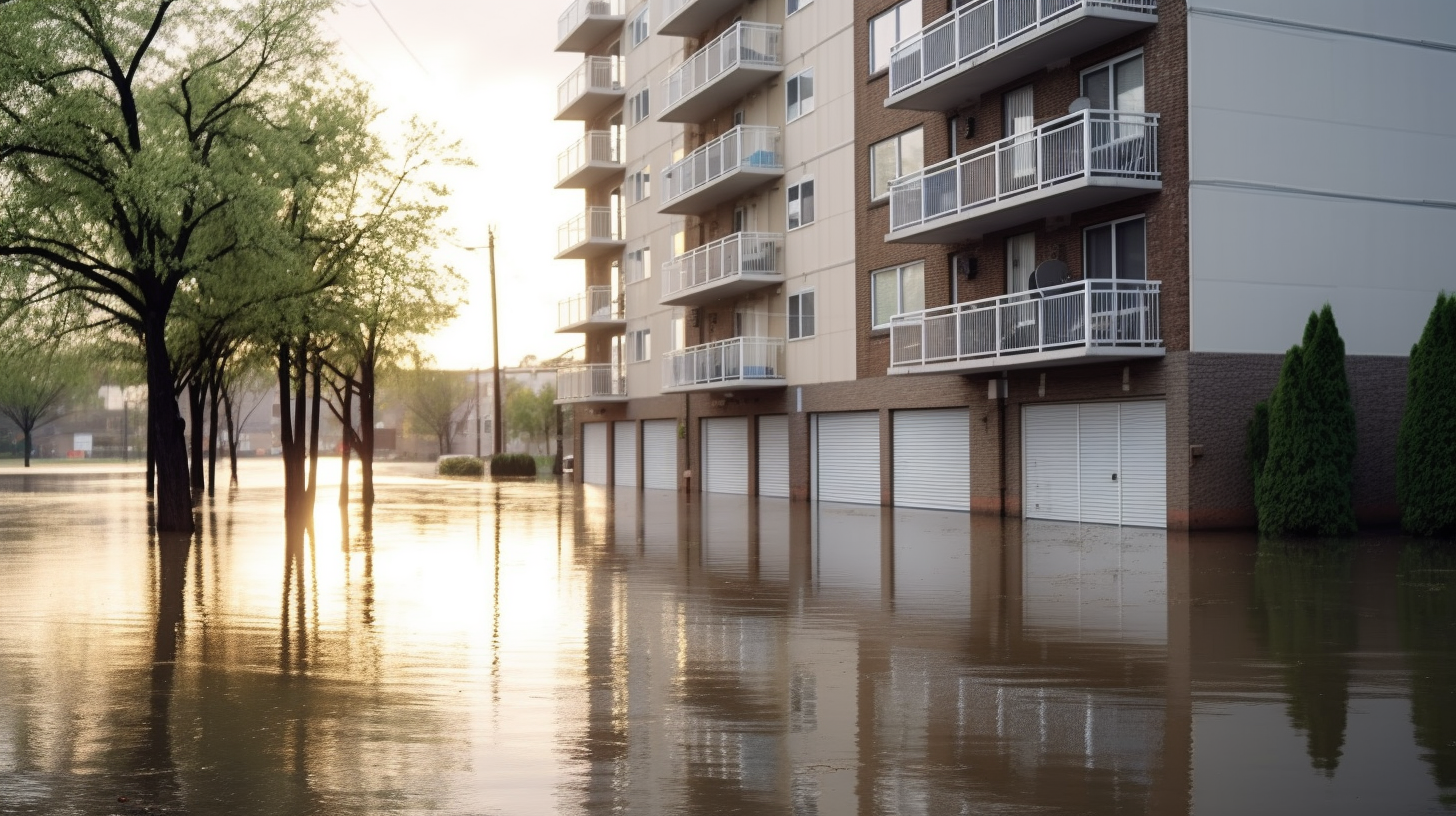
The Risks of Inadequate Emergency Planning
When emergency planning is incomplete or reactive, the consequences can be severe. Common risks include:
- Delayed response during regional or widespread events
- Limited availability of qualified contractors during high-demand periods
- Confusion around decision-making authority and communication
- Increased damage due to lack of early mitigation
- Longer recovery timelines and higher overall costs
In many cases, organizations with no pre-arranged response plan are forced to compete for resources after an emergency has already escalated. This can significantly delay stabilization and restoration.
Why Emergency Planning Must Include a Restoration Response Partner
An emergency plan is only as effective as the resources available to execute it. Aligning emergency planning with a qualified disaster restoration contractor is a critical step that is often overlooked.
A pre-aligned restoration partner brings:
- Familiarity with the organization’s facilities and systems
- Knowledge of internal contacts and escalation procedures
- The ability to mobilize quickly during emergencies
- Experience coordinating complex restoration efforts
Without this alignment, emergency response becomes fragmented and reactive at the very moment when clarity and speed are most needed.
The Importance of Pre-Registration and Priority Response
During large-scale environmental events or regional disasters, restoration resources are in high demand. Organizations that have not pre-registered or established response agreements may experience significant delays.
Pre-registration ensures:
- Priority response when multiple properties are affected
- Faster mobilization of mitigation and stabilization services
- Reduced wait times during critical early stages of a loss
- Greater control over response coordination
This proactive approach supports faster recovery and helps limit the extent of damage and disruption.
Overview of the EMRG Elite Emergency Response Program
The EMRG Elite Emergency Response Program is designed to support emergency planning and business continuity for commercial, institutional, and multi-unit residential buildings.
EMRG provides a structured emergency response partnership that integrates with an organization’s existing emergency planning framework. The program functions as a proactive resource that can be activated when a loss occurs, ensuring coordinated leadership and priority response.
The program is well suited for organizations that manage complex facilities, multiple locations, or high-occupancy environments where preparedness is essential.
How the EMRG Elite Emergency Response Program Supports Emergency Planning
Priority Emergency Response
Organizations registered within the program receive priority service during both isolated incidents and widespread events. This helps ensure rapid stabilization when response time matters most.
Familiarity With Facilities and Operations
Pre-alignment allows response teams to understand the building layout, critical systems, and operational priorities in advance. This leads to faster decision-making and more effective mitigation.
Coordinated Leadership During Major Losses
In the event of a significant loss, EMRG leads the restoration response, coordinating communication between owners, property managers, staff, insurers, and supporting trades. This structured approach reduces confusion and supports efficient recovery.
Emergency Services That Support Risk Mitigation and Recovery
Effective emergency planning relies on access to a broad range of services that address different types of losses. These include:
- Emergency stabilization and damage mitigation
- Environmental and health-related remediation
- Fire, storm, and structural restoration
- Contents, document, and asset protection
Having access to comprehensive services through a coordinated response partner strengthens preparedness and simplifies emergency management.
Planning for Widespread Events and Single-Building Emergencies
Emergency plans must be flexible enough to address both isolated incidents and large-scale events. Regional weather events, infrastructure failures, or environmental conditions can impact multiple properties simultaneously.
Effective planning considers:
- Resource availability during widespread demand
- Coordination across multiple sites
- Communication with multiple stakeholder groups
- Scalable response strategies based on severity
Programs that support both scenarios provide greater resilience for organizations managing diverse property portfolios.
Communication as a Core Element of Emergency Planning
Communication failures are one of the most common challenges during emergencies. Clear, consistent communication supports better outcomes by keeping all parties informed and aligned.
Strong emergency plans define:
- Points of contact and decision-making authority
- Reporting and update protocols
- Communication with occupants, staff, and external partners
Structured communication reduces stress, limits misinformation, and supports coordinated action throughout response and recovery.
Integrating Emergency Response Into an Existing Emergency Plan
Emergency response programs are most effective when integrated into existing emergency and business continuity plans. This integration allows organizations to strengthen preparedness without overhauling established procedures.
Key integration steps include:
- Aligning response roles and responsibilities
- Establishing activation criteria for emergency response
- Coordinating with internal maintenance and management teams
- Reviewing and updating plans as facilities or operations change
This approach supports preparedness at any stage of emergency planning maturity.
Why Organizations Choose EMRG for Emergency Planning Support
Organizations choose EMRG for its experience supporting complex environments and its ability to deliver coordinated response during critical events. EMRG operates nationally, allowing organizations with properties across Canada to rely on consistent emergency response support regardless of location. The focus on preparation, communication, and quality workmanship helps organizations reduce risk and recover more efficiently.
By aligning emergency planning with a dedicated response partner, organizations strengthen their ability to protect people, assets, and operations when emergencies occur.
Emergency Planning Is About Readiness, Not Reaction
Emergencies cannot always be prevented, but their impact can be significantly reduced through preparation. For commercial and multi-unit residential buildings, emergency planning is a responsibility that protects occupants, supports continuity, and reduces long-term risk.
Proactive planning, combined with a trusted emergency response partnership, ensures that organizations are ready to respond with clarity and confidence when unexpected events arise.
Email info@emrg.com to learn how the EMRG Elite Emergency Response Program can strengthen emergency planning and ensure priority response for your building.