
Should You Call Insurance or a Contractor First After Property Damage?
Posted November 27, 2025
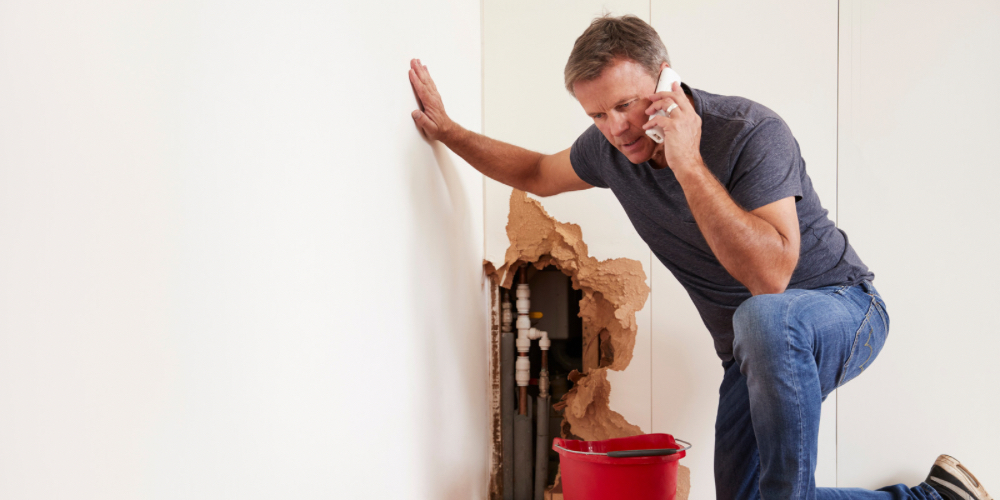
Property damage rarely gives warning. A burst pipe, windstorm, electrical fire, sewage backup, or vandalism can change a property within minutes. When that happens, most homeowners and property managers ask the same question: who should they call first, their insurance company or a restoration contractor?
There is no universal answer. It depends on the type of damage, the urgency of the situation, whether the property is still at risk, and the specific insurance policy in place. Understanding how the claims process works and what insurers expect can help prevent delays, denials, and unnecessary expenses.
This guide explains what to do after property damage, how to determine the right first call, and what steps protect both your home and your insurance claim.
Understanding How Property Damage Claims Work
An insurance policy is a financial agreement intended to help restore a property to its pre-loss condition. However, coverage depends on the details of the policy. Not all losses are covered, and some may require specific endorsements. Sewer backups, overland flooding, and gradual wear are common exclusions unless additional coverage was purchased.
Insurance companies also expect property owners to act responsibly. They must take reasonable steps to reduce further damage. Failing to do so may affect how a claim is handled.
This is why the first few hours after a loss matter. Water can spread, mould can develop, and structural or electrical hazards can worsen if left unaddressed.
Safety Comes Before Any Phone Call
Before calling insurance or a contractor, ensure everyone on the property is safe. Immediate hazards may require emergency services.
Situations requiring urgent safety action include:
- Live electrical hazards
- Structural instability
- Fire or ongoing smoke
- Gas leaks or suspected carbon monoxide
- Contaminated water from sewage backups
If there is any concern, evacuate the building and contact the appropriate authorities or utility providers. Personal safety always comes first.
Why Time Matters in Property Damage
Property damage does not stay still. It progresses quickly, especially with water, fire, and storm events.
Examples include:
- Water can spread through walls and flooring within minutes.
- Mould growth may begin within 24 to 48 hours.
- Smoke and soot can permanently stain surfaces.
- Storm damage can leave a home open to the elements.
Insurance companies recognize this and typically expect policyholders to take reasonable steps to stop further loss. This is known as the duty to mitigate. In many cases, mitigation needs to begin before an adjuster arrives.
When You Should Call a Restoration Contractor First
If the damage is actively spreading or creating unsafe conditions, a qualified restoration contractor is often the right first call. Emergency mitigation can reduce the severity of the loss and protect the claim.
Examples include:
- Burst pipes or flooding that requires extraction and drying
- Fire damage needing board-up, smoke cleanup, or stabilization
- Storm damage that compromises the roof, windows, or structure
- Sewage backups requiring containment and sanitation
- Impact damage from vehicles or fallen trees
Reputable restoration contractors are trained to document the situation thoroughly. They take photos, gather moisture readings, prepare reports, and provide detailed estimates that insurers rely on. Many also communicate directly with adjusters to help streamline the claim.
Calling a contractor first does not replace notifying insurance, but it can prevent the damage from getting worse while you wait to file.
EMRG members across Canada are available 24/7 for a rapid reliable response and to guide you through the recovery process. Contact us at 1-844-344-3674.
When You Should Call Insurance First
Not every situation needs emergency mitigation. Sometimes the best first step is notifying your insurer or broker.
This applies when:
- The damage is minor or contained
- There is no ongoing source of water or risk
- You are unsure whether the loss exceeds your deductible
- You want clarification on coverage before taking action
- The policy requires insurer approval before repairs
If the damage is cosmetic or non-urgent, a restoration contractor may not be needed immediately. Speaking with insurance first may prevent unnecessary expenses.
What Insurance Providers Expect From Property Owners
Insurance companies generally expect policyholders to:
- Report losses promptly
- Prevent additional damage where possible
- Preserve evidence and damaged materials
- Allow access for adjusters and inspections
- Provide truthful and accurate information
They do not expect customers to diagnose the problem or complete repairs before coverage is confirmed. However, waiting too long to act can create complications.
The Role of a Restoration Contractor in the Early Stages
Restoration contractors focus on stabilizing the situation and preventing further loss. Early-stage services may include:
- Water extraction and structural drying
- Moisture mapping and monitoring
- Smoke and soot removal
- Odour control
- Temporary board-up and roof tarping
- Debris removal
- Hazard containment
Mitigation is not the same as full repairs. Emergency work is typically approved regardless of whether a claim is ultimately filed because it limits the total cost of damage.
How the Claims Process Usually Works
Although every insurer operates differently, most Canadian property damage claims follow a general order:
- Property damage occurs.
- Emergency mitigation, if needed.
- Claim is reported to the insurer or broker.
- Adjuster is assigned.
- Property is inspected and documented.
- Scope of work and estimate are approved.
- Repairs and restoration take place.
- Claim is finalized and closed.
Communication between the property owner, insurer, and contractor is essential throughout the process.
What Happens if You Wait Too Long
Delays can affect structural integrity, indoor air quality, and insurance coverage. Waiting may result in:
- Higher repair costs
- Mould growth
- Extended displacement for occupants
- Insurance questioning whether damage was preventable
- More complex claims and longer timelines
Timely action protects both your property and your claim.
How to Determine Who to Call First
A simple approach can help:
- If there is active water, structural risk, exposure to outdoors, or sewage contamination, call a restoration contractor first.
- If the situation is safe, contained, or uncertain, notify insurance first.
- If you are unsure whether the loss is covered, speak with your broker.
There is no wrong answer as long as action is taken promptly and safely.
Steps to Take Before Making Any Calls
If conditions allow, gather information to support your claim:
- Take photos and videos of the affected areas
- Note the date, time, and cause of damage
- Record any steps taken to stop the issue
- Keep damaged items until advised otherwise
- Save receipts related to temporary accommodations or emergency services
Documentation strengthens claims and reduces disputes.
Common Misunderstandings About Claims and Contractors
Several myths create confusion:
- You do not need insurer approval to perform emergency mitigation that prevents additional damage.
- Calling a contractor first does not void insurance coverage.
- Homeowners are not required to use the insurer’s preferred contractor.
- Insurance does not always cover every type of water or flood damage.
When in doubt, ask questions and request clarification in writing.
Considerations for Property Managers and Businesses
Commercial losses can have added consequences, including revenue interruption, tenant displacement, and regulatory requirements. For these situations, fast mitigation and clear communication are essential.
Property managers should review:
- Lease responsibilities
- After-hours emergency procedures
- Contact lists for approved contractors
- Documentation expectations from insurers and ownership groups
Preparedness shortens recovery time.
Choosing a Qualified Restoration Contractor
A reliable contractor should have:
- IICRC certification or equivalent industry training
- Experience with insurance claims and reporting
- 24/7 emergency response capability
- Established processes for documentation
- Positive reputation and verifiable references
- Clear communication and transparent estimates
Policyholders always have the right to choose their own contractor.
Why Connecting With the Right Restoration Contractor Matters
The first call after property damage can influence cost, timelines, and overall claim experience. Fast mitigation, clear documentation, and dependable communication help protect both the property and the insurance outcome. That is why choosing a qualified restoration contractor is just as important as notifying your insurer.
Across Canada, EMRG members are vetted, certified, and trusted by homeowners, property managers, insurers, and commercial clients. They provide 24/7 emergency response, thorough reporting, and responsible restoration practices that support a smoother claims process from start to finish.
If you are dealing with new or unexpected property damage and want guidance you can rely on, connecting with an EMRG member in your region can be a valuable first step. Contact EMRG 24/7 at 1-844-344-3674 to find a locally operated contractor committed to professionalism, accountability, and high-quality workmanship.
Related Blogs:
Water Damage Restoration: Use Insurance or Pay Out of Pocket?
What to Do After a Flooded Basement: How to Restore Your Home
What to Do After a Fire: Essential Guide to Documenting Damage